



A recent study by Traya makes a concerning revelation that one in two women between the ages 36-40 suffer from an advanced widening or female pattern hair loss.
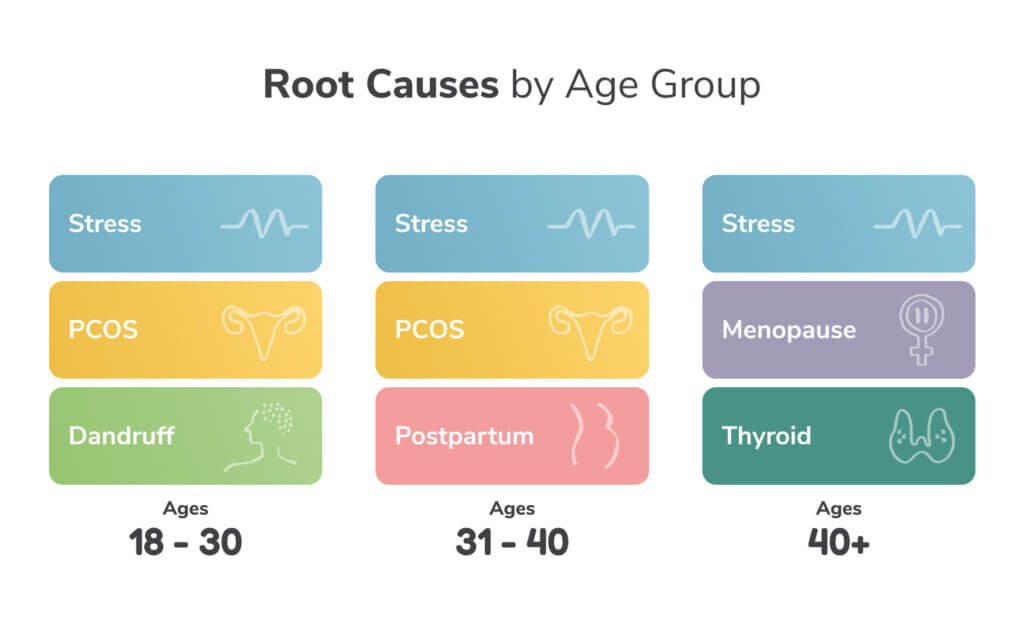
Traya, a health-tech brand to treat hair loss internally, has released its findings from an extensive study involving 2.8 lakh women across India. The survey reveals that 71.19 per cent of Indian women experience medium to advanced widening or female pattern hair loss, highlighting that hair loss is a significant concern that transcends age.
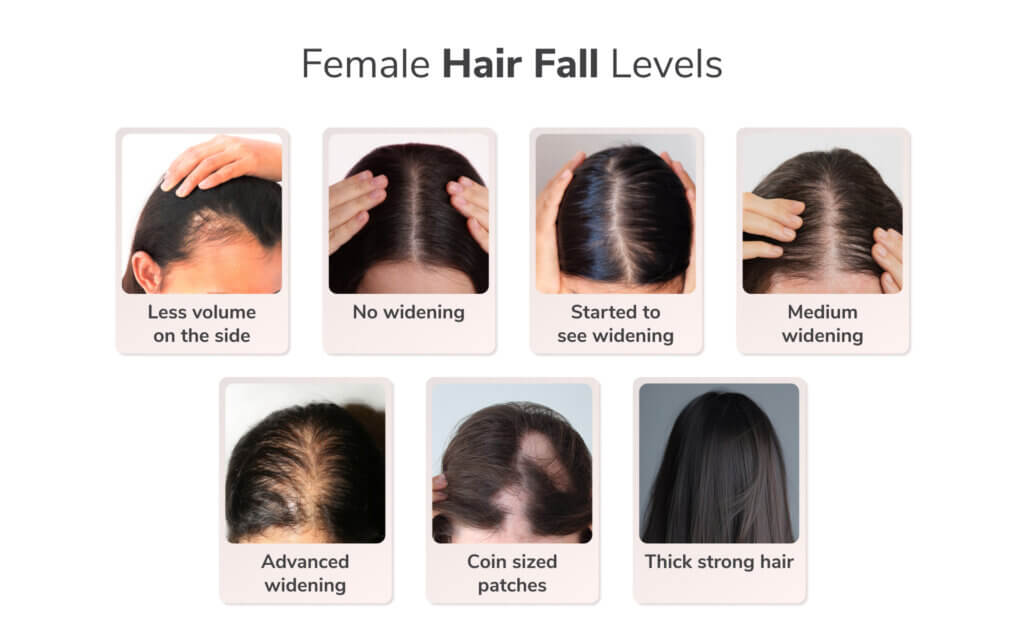
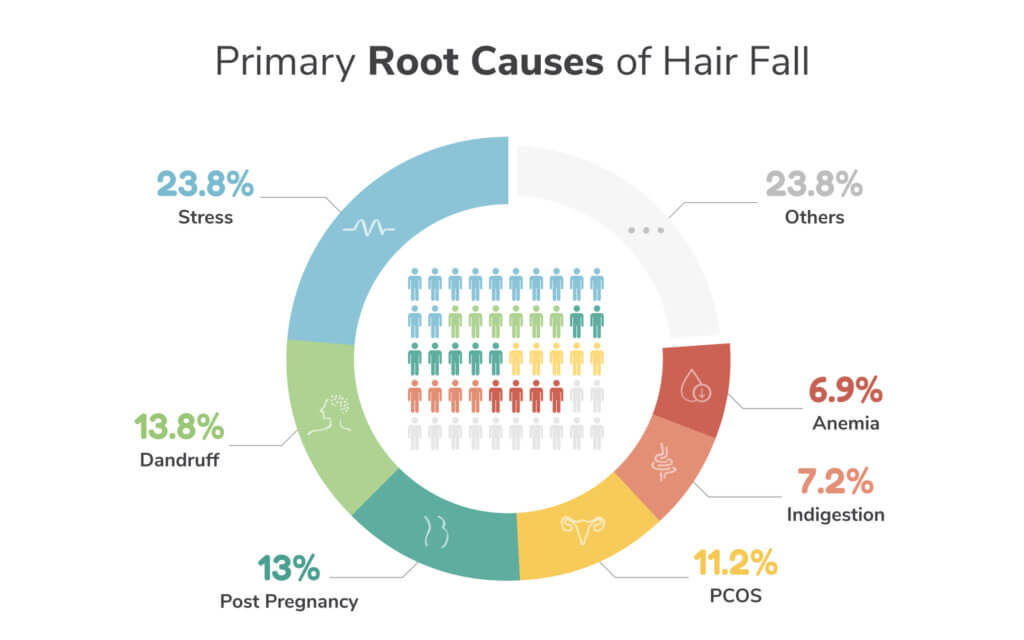
According to recent research, over 51 per cent of women aged 36 to 40 are experiencing moderate to advanced stages of hair loss. Stress, low energy levels, and hormonal imbalances are all primary culprits, highlighting the urgent need for increased awareness and early intervention. The study revealed that stress and low energy levels are widespread among Indian women. Notably, 88.6 per cent of women suffering from hair loss also endure moderate to severe stress. Modern life’s high pressures significantly contribute to hair loss, exacerbating the condition. The research also uncovered a link between poor sleep and hair loss, with 48.14 per cent of affected women reporting inadequate sleep habits.
The root cause is in the scalp
Similar to Traya’s survey on men’s hair loss, the results say dandruff is a significant factor in women’s hair loss. Over 70 per cent of women attributed their hair loss to dandruff, with 22 per cent experiencing severe cases, underscoring the importance of addressing dandruff to reduce hair loss effectively. Additionally, 90 per cent of the 280,000 women in the Traya study reported low energy levels, emphasising the need to tackle hair loss internally. Furthermore, experts identify PCOS as an increasing cause of hair loss among young women aged 18 to 25.

Speaking on the findings, Saloni Anand, Co-Founder, Traya, stated, “Hair loss is predominantly considered to be an issue faced by men, leading many women to ignore or feel uncomfortable discussing it. However, it is a significant and growing concern for women, requiring effective and comprehensive intervention. Our study aims to help women understand the various causes of hair loss and tackle them effectively. The issue is particularly complex for women. Damaged hair strands and low hair volume pose significant problems too. There have also been psychological implications linked to hair loss, such as anxiety and diminished self-esteem.”
Overall the study highlights the necessity for a personalised and holistic approach to treatment, as a one-size-fits-all solution is ineffective.
