


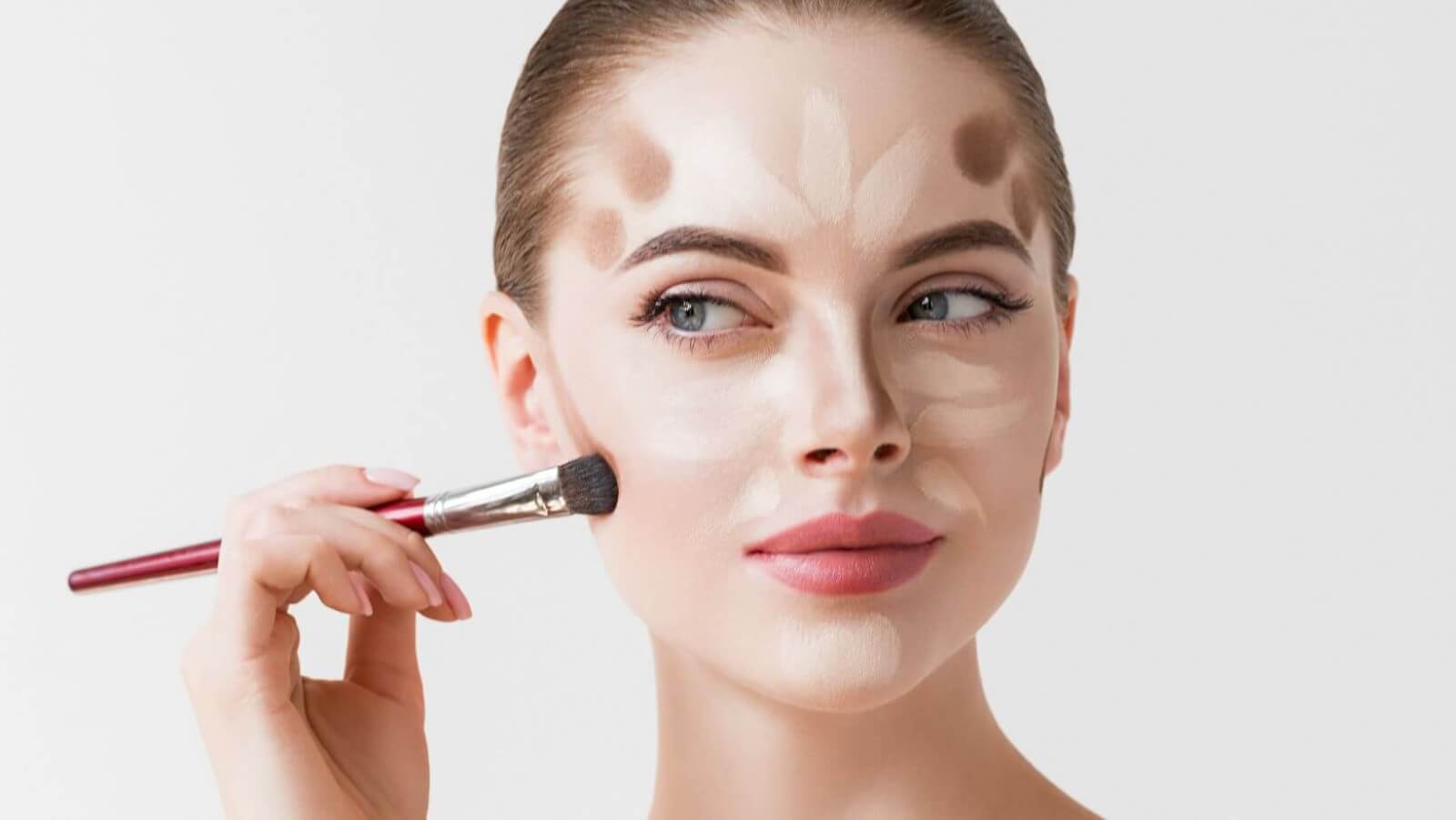
Contouring is all about enhancing the natural face shape, giving it a snatched, sharp look. To make it easier, Vidhi Arya from Professional Beauty India brings a simple guide to contouring as per face shape.
Contouring has crossed over the phase where it was merely a red-carpet trick. Today, it is a makeup staple for serving sharp, sculpted looks. But the catch is: what works for one face shape can make another look flat and worn down. So, you need to stop blindly following what your favourite influencer does. The secret to natural, lifted, and believable definition lies in adjusting your contour technique to the face shape.
When you understand your structure, you stop fighting with makeup and start enhancing what you already have.
Here is a simple, fool-proof guide on how to contour every major face shape so you can sculpt strategically, not excessively.
Oval face shape
Features: an oval face is naturally balanced with a slightly wider forehead and softly tapered chin. This shape has a harmonious proportion.
What it needs: Contouring this face is more about enhancement than correction. Soft definition for balanced proportions
How to contour:
- Focus on adding soft shadows just below the cheekbones. Think “hollow but natural.”
- Add a whisper of contour along the top of the forehead, close to the hairline, to bring warmth and dimension.
- Avoid heavy jawline contour; the oval face doesn’t need dramatic structure here.
Pro tip: Use cream contour for the most skin-like finish, and blend upwards to keep the lift.
Round Face Shape
Features: A round face has uniform width and fullness, often giving a youthful appearance.
What it needs: The goal here is to create angles, elongate the face, and add definition. You need sculpting slimmer, longer lines
How to contour:
- Apply contour slightly below the cheekbones but angle it upward toward the ears. This creates an instant lifted illusion.
- Contour the sides of the forehead to visually narrow the upper face.
- Add a soft line under the jawline to create shape and reduce roundness.
- You can even add a thin contour line under the chin to give the illusion of length.
Pro tip: Focus on blending sideways rather than downward. Downward blending brings the face down, while horizontal blending sculpts it in.
Square face shape
Features: Square faces are defined by a broad forehead and a sharp, angular jawline.
What is needed: The aim is to soften the structure and create gentle curves without hiding your bone structure. This face needs softening of strong angles
How to contour:
- Contour the outer edges of the forehead to soften width.
- Rather than carving out the cheekbones, apply contour in a soft, curved motion from mid-cheek to the ears.
- For the jawline, use a minimal amount—just enough to diffuse the sharpness without exaggerating it.
Pro tip: Replace harsh powders with cream or liquid contour. The soft finish balances the face beautifully.
Heart face shape
Features: A heart-shaped face has a wider forehead and a tapered chin, creating a naturally romantic silhouette.
What it needs: Contouring here is all about reducing upper-face width and giving subtle fullness to the lower half.
How to contour:
- Add contour along the sides of the forehead and temples to visually narrow the top of the face.
- Keep cheek contour high and soft; avoid bringing it too close to the mouth.
- Add a tiny dab of contour at the tip of the chin if it looks too pointed—this helps round it slightly.
Pro tip: Pair your contour with blush placed at the outer cheek for perfect harmony.
Long / rectangular face shape
Features: This face shape is longer than it is wide, with balanced sides.
What it needs: Simply put:creating balance through width. Your focus is to visually shorten the face and create horizontal balance.
How to contour:
- Contour along the top of the forehead (hairline area) and the tip of the chin to shorten length.
- Place contour horizontally under the cheekbones, not angled. This widens the face visually.
- Keep jawline contour light; the goal is width, not sharpness.
Pro tip: Use blush across the apples and extending outward in a “horizontal sweep” to create width.
Diamond face shape
Features: People with diamond face shapes tend to have wider cheekbones, a narrow forehead, and a narrow chin.
What it needs: This face requires softening cheek width and highlighting of angles. Contouring helps balance the middle width.
How to contour:
- Contour the cheekbones by placing product slightly below their highest point so the width appears softer.
- Add light contour to the lower forehead and chin to bring some balance.
- Avoid too much contour near the temples; this will over-accentuate the narrowness.
Pro tip: Highlighting the forehead centre and chin works particularly well for this face shape.
Key Contouring Tips for Every Face Shape
- Blend, blend, blend: Harsh lines age the face and flatten the finish.
- Match formula to skin type: Cream for dry skin, powder for oily or humid climates.
- Shade selection matters: Choose a contour two shades deeper than your skin tone with neutral or cool undertones.
- Use natural light to check your blending. Studio lights can be too forgiving.
- Set with translucent powder only where you get oily to avoid caking.
Contouring isn’t about changing your face, it’s about working with what you already have and enhancing your natural structure. When you contour according to your face shape, the makeup suddenly makes more sense. It blends into your identity instead of sitting on top of it.
