


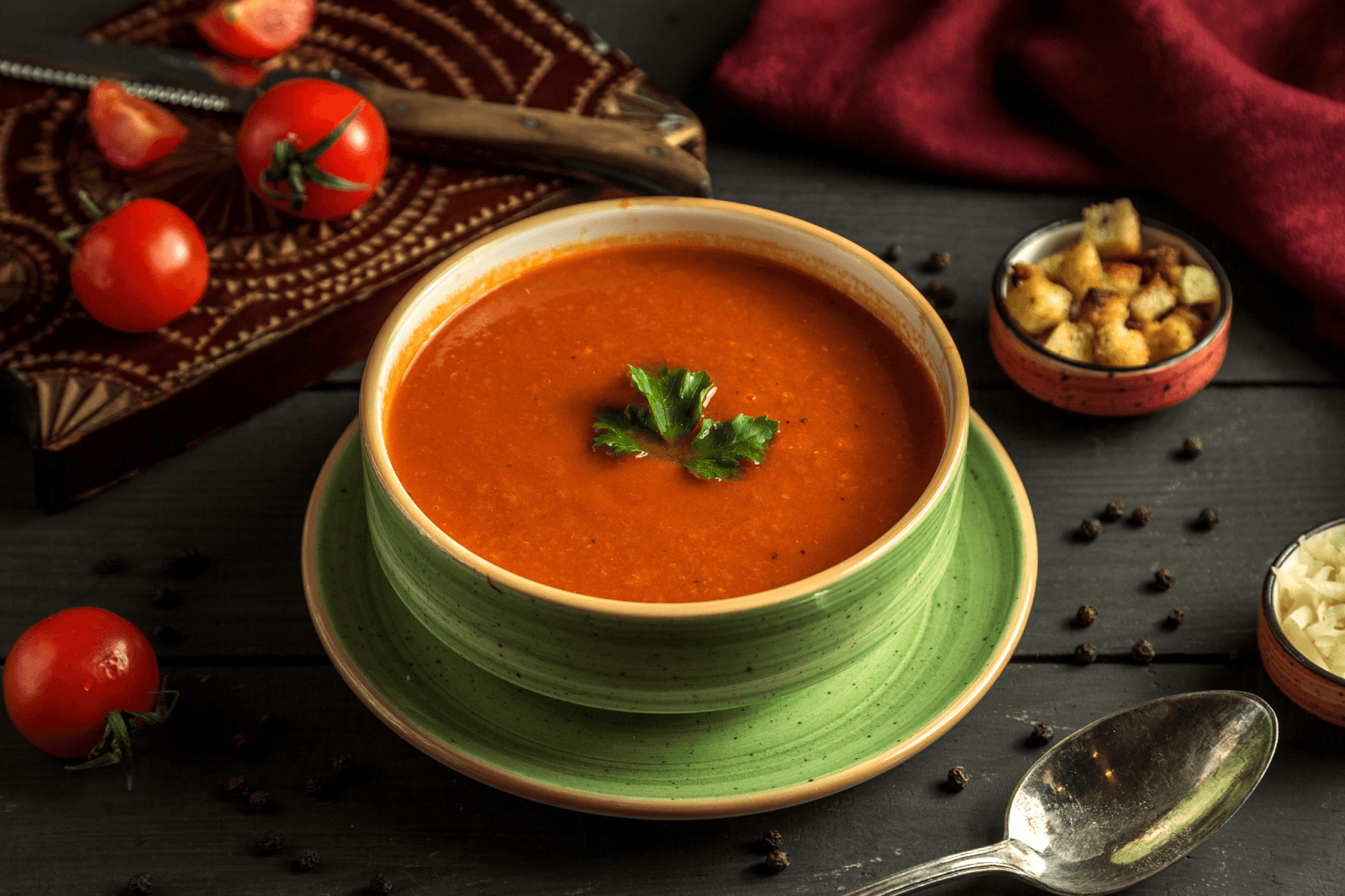
A bowl of soup in the monsoon comforts you the way your mother’s hand on your forehead does when you’re unwell, a warmth from the hearth. That same warmth and tenderness settle into your body, warding away the monsoon shivers and sluggishness.
And if that bowl also brings skin nourishment along with comfort, even better. Read on for soup recipes recommended by Dr. Jaishree Sharad, Board-Certified Cosmetic Dermatologist, served in your bowl to warm you up and support your skin through the season.
Eating Your Skincare: How Soups Fit In
Turns out we cannot dismiss this one: the “eat your skincare” trend does hold a real kernel of truth. What is important to consider is that it’s supportive, not transformative. A nutrient-rich diet, followed consistently, genuinely helps your skin over time and makes you feel good innately, but it’s not a replacement for topical skincare. “Eat well for better skin health,” she says, “but don’t expect your diet to replace skincare.”
Foods that support skin repair, moisture, and inflammation control:
- Vitamin A precursors
- Vitamin C
- Zinc
- Omega-3s
- Healthy fats
Eating carrots or collagen-rich foods doesn’t work the way applying retinoids does. The trend can mislead people into thinking diet alone fixes acne, pigmentation, or a damaged skin barrier, but it doesn’t. Be cautious of supplements and miracle marketing claims promising fast results. Eating well matters, but it isn’t the be-all and end-all of your skincare routine.
That said, there’s a smarter way to eat for your skin than most trends suggest, and it starts with a bowl of soup.
The Monsoon Skin Problem
In humid weather, sweat and oil mix with dead skin cells and pollutants, clogging pores, and worsening breakouts. The dampness also fuels fungal and bacterial issues, especially in skin folds, feet, groin, and other moisture-trapping areas. And if you already deal with eczema or sensitive skin, monsoons tend to amplify redness, itch, and inflammation.
Soups to the Rescue
A bowl of soup works well in monsoon because it bundles hydration and nutrition into something gentle on the stomach and easy to eat consistently. “The main advantage is not ‘detox’ but steady nourishment when appetite or digestion may be off,” she explains.
Ingredients to favor:
- Vitamin C: tomato, bell pepper, broccoli, spinach, lemon, amla, support collagen formation and repair
- Zinc: lentils, chickpeas, pumpkin seeds, beans, aid healing and inflammation control
- Omega-3 & protein: fish, chicken, tofu, soy, bone broth, support skin structure and recovery
- Anti-inflammatory: turmeric, ginger, garlic, black pepper, soothing, though supportive rather than standalone
For Acne-Prone Skin
Since monsoon humidity already raises oiliness, clogging, and irritation risk, keep the soup simple and anti-inflammatory.
Add: moong dal or lentils, tomato, spinach, broccoli, bell pepper, amla/lemon, pumpkin seeds, chickpeas, beans, tofu, ginger, garlic, turmeric, black pepper.
Avoid: heavy cream, cheese, and butter (dairy can trigger flare-ups); oily tempering or deep-fried toppings (greasy foods don’t suit humid weather); high-sugar add-ins like sweet corn, croutons, or sweetened broths (high-glycemic foods are often linked to breakouts).
Bone Broth, Collagen, and Anti-Ageing
Bone broth supplies amino acids like glycine and proline; building blocks your body uses to make collagen, alongside cofactors like vitamin C, zinc, copper, and protein. But don’t expect miracles from a mug of broth. “The realistic benefit is nutrition support, not a visible anti-ageing reset,” she notes.
Ingredients worth including:
- Protein: chicken, fish, turkey, bone broth
- Vitamin C: bell pepper, tomato, broccoli, cabbage, lemon or lime
- Minerals & antioxidants: spinach, kale, mushrooms, onions, garlic
- Zinc: beans, chickpeas, lentils, seeds, leafy greens
- Copper: mushrooms, tofu, nuts, seeds
Cooking Techniques
Cook gently, keep the liquid, and add a little fat for fat-soluble nutrients.
- Simmer, don’t boil: high heat breaks down vitamin C and B vitamins
- Add quick-cooking veggies last: keeps them vibrant and nutrient-rich
- Let sturdier ingredients cook longer: lentils, proteins, carrots, squash
- Go easy on leafy greens: keep the cook time brief
The Gut-Skin Connection
Warm, easily digestible soups support gut health when built around gentle, fiber-rich, anti-inflammatory ingredients, and the gut-skin connection runs largely through inflammation and digestion. They also make it easy to get fluids, minerals, and cooked vegetables into one meal, supporting comfort and regularity. If digestion improves and inflammation eases, some people notice less dullness or fewer flare-ups, though that link is indirect, not guaranteed.
Gut-friendly ingredients: bone broth or stock; cooked vegetables (carrots, zucchini, squash, celery, broccoli, kale, spinach, cabbage); prebiotic fibers (onions, garlic, leeks, asparagus); a little miso, added off the heat.
Dr. Jaishree Sharad’s Go-To Soup Recipe
Blending moong dal, spinach, carrot, tomato, ginger, garlic, a little turmeric, a squeeze of lemon, and a teaspoon of ghee or olive oil at the end. Light, warm, and packed with protein, antioxidants, and healthy fat in one bowl.
Why it works:
- Moong dal is gentle and filling without feeling heavy
- Spinach, carrot, and tomato bring vitamin C and antioxidants for repair
- Ginger, garlic, and turmeric soothe inflammation
- Lemon and a little fat help the body absorb it all.
As she sums it up, “It’s not trying to be a miracle cure. It’s special because it does the basics really well: easy digestion, steady nourishment, and ingredients that fit together for skin, gut comfort, and overall recovery.”
Skin health works best when you eat well and pair it with a skincare routine that actually suits you. Keep both up as a long-term habit, and that’s what gives you the best results. As for soup, we were always going to end up here while the downpour unfurled. A steaming bowl of goodness and a spoonful of warmth; a hiatus from everything out there.