


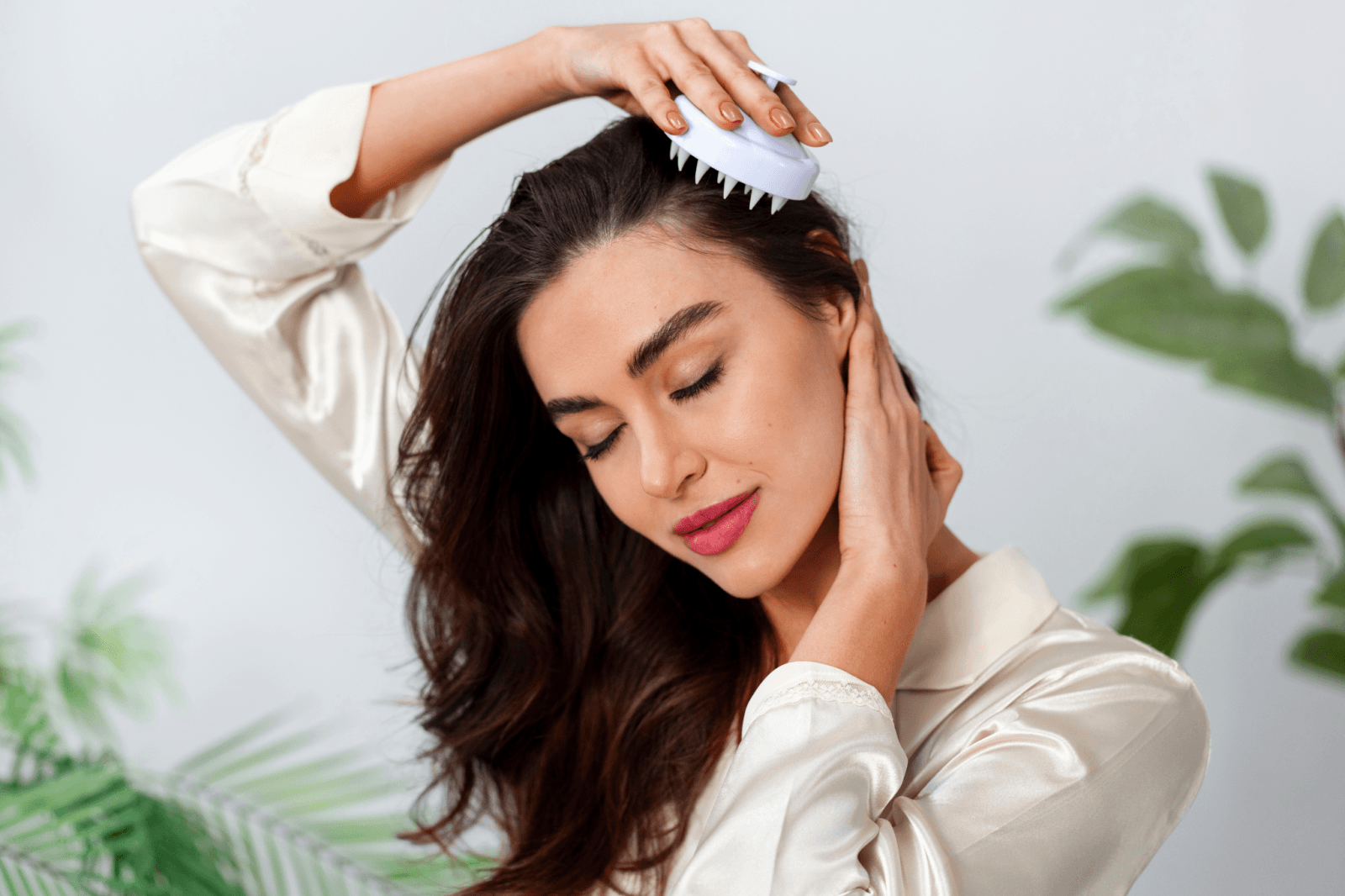
Monsoon season brings much-needed relief from the heat, but for your hair and scalp, it often spells trouble. Rising humidity, sudden downpours, and unpredictable moisture levels create the perfect storm to house flaky scalps, frizz, breakage, and irritation, issues that many mistake for routine dandruff or dryness rather than what they really are.
We spoke to Vaishakhi Haria, educator and founder of Splash Salons, to break down the most common monsoon hair concerns, from telling infections apart from dandruff to caring for coloured hair in humid weather, and the one small habit that could be silently sabotaging your hair all season long.
Not All Flakes Are Dandruff: Know the Difference
“One of the biggest misconceptions is that every flaky scalp during the monsoon is dandruff,” says Haria. While dandruff is common, warm, humid weather can also create an ideal environment for fungal or bacterial scalp infections, and it’s important to know the difference.
Regular dandruff usually presents as fine white or yellow flakes with mild itching. An infection, however, often comes with persistent redness, intense itching, tenderness, painful bumps or pimples on the scalp, oozing, or an unpleasant odour. If these symptoms don’t improve with regular anti-dandruff care, it’s best to consult a dermatologist rather than self-treating.
Treatment Differences
Dandruff can typically be managed with an anti-dandruff shampoo containing ingredients such as zinc pyrithione, piroctone olamine, selenium sulphide, or ketoconazole, along with maintaining a clean scalp. A fungal or bacterial infection, on the other hand, may require prescription antifungal or antibiotic treatment, which should only be recommended by a medical professional.
How Often Should You Clarify Your Scalp?
During the monsoon, sweat, sebum, pollution, and styling product residue tend to accumulate much faster, making scalp cleansing even more important. For most people, using a clarifying shampoo once every 10–14 days is enough to remove buildup without stripping the scalp of its natural oils. Those with an oily scalp or frequent styling product use may benefit from clarifying once a week. However, overusing clarifying shampoos can disrupt the scalp barrier, leading to dryness, irritation, and even increased oil production as the scalp tries to compensate.
“The key is to listen to your scalp,” Haria advises. “A healthy scalp should feel clean and comfortable, not excessively oily, tight, or itchy.”
Why Tying Up Wet Hair Is So Damaging
Wet hair is significantly more fragile because the hair shaft swells with water, making it more elastic and prone to stretching and breakage. Tying it up tightly creates constant tension on already weakened strands, which can lead to increased breakage, frizz, and even traction-related hair fall over time.
Damage-Control Routine for Rain-Soaked Hair
Gently blot the hair with a soft towel or microfiber towel, avoiding vigorous rubbing. If possible, let the hair air-dry, or use a blow dryer on a cool or low-heat setting until the scalp is completely dry. Avoid tying hair up until it’s fully dry. As Haria puts it, “It’s not the rain itself that causes most of the damage, it’s leaving the hair damp for long periods, trapping moisture against the scalp, or handling wet hair too aggressively.”
Frizz: Is It a Moisture Problem or a Structural One?
“One of the biggest misconceptions about frizz is that it’s always caused by dryness,” says Haria. “In reality, frizz can have different causes, and identifying the root of the problem is what determines the right solution.”
- If it’s moisture loss: Hair that feels rough, dull, and lacks softness is often a sign of moisture loss. This type responds well to hydrating shampoos, nourishing conditioners, weekly deep-conditioning masks, and lightweight leave-in products that replenish moisture without weighing hair down.
- If it’s structural: If hair is chemically treated, heat-damaged, or has frequent breakage, the frizz is more likely structural; the cuticle has been compromised, making it difficult to retain moisture. Simply adding hydration isn’t enough; these clients benefit more from bond-building or protein-repair treatments alongside regular conditioning.
There isn’t a one-size-fits-all monsoon routine. The healthiest hair starts with understanding whether the concern originates from the scalp, the hair fibre, or both.
Caring for Coloured or Chemically Treated Hair This Monsoon
Freshly coloured or chemically treated hair needs extra care during the monsoon, as both hair and scalp are more vulnerable. Keep the scalp clean without over-cleansing, using a gentle, colour-safe shampoo that cleanses without stripping moisture or fading colour. Follow every wash with a conditioner, and incorporate a nourishing or bond-repair mask once a week to maintain strength.
Keep heat styling to a minimum, and always apply a heat protectant when using hot tools, since chemically treated hair is already more prone to dryness and breakage. “One piece of advice I always give my clients is to think of the scalp and hair separately,” says Haria. “A healthy scalp creates the foundation for healthy hair, while the lengths need targeted repair and hydration.”
The Single Biggest Monsoon Hair Mistake
“If I had to pick the single biggest mistake people make every monsoon, it would be leaving their scalp damp for too long,” says Haria. Whether from rainwater, post-workout sweat, or going to bed with wet hair, prolonged moisture on the scalp can encourage buildup, irritation, and fungal overgrowth, while wet hair is more fragile and prone to breakage from friction.
The simple fix :
Always make sure your scalp is dry before tying your hair up, wearing a cap or helmet, or going to sleep. It’s a small step, but one of the most effective ways to maintain scalp health and hair quality through the monsoon.
At the end of the day, monsoon hair care isn’t about doing more, it’s about doing the right things at the right time. Whether it’s identifying the true cause of your flakes and frizz, handling wet hair with a little extra patience, or simply letting your scalp dry before tying it up, small, informed choices can make a big difference. As the season rolls on, treating your scalp and hair as two connected but distinct systems, each with its own needs, is the simplest way to stay ahead of monsoon-related hair troubles and keep your hair healthy until the skies clear up.
