


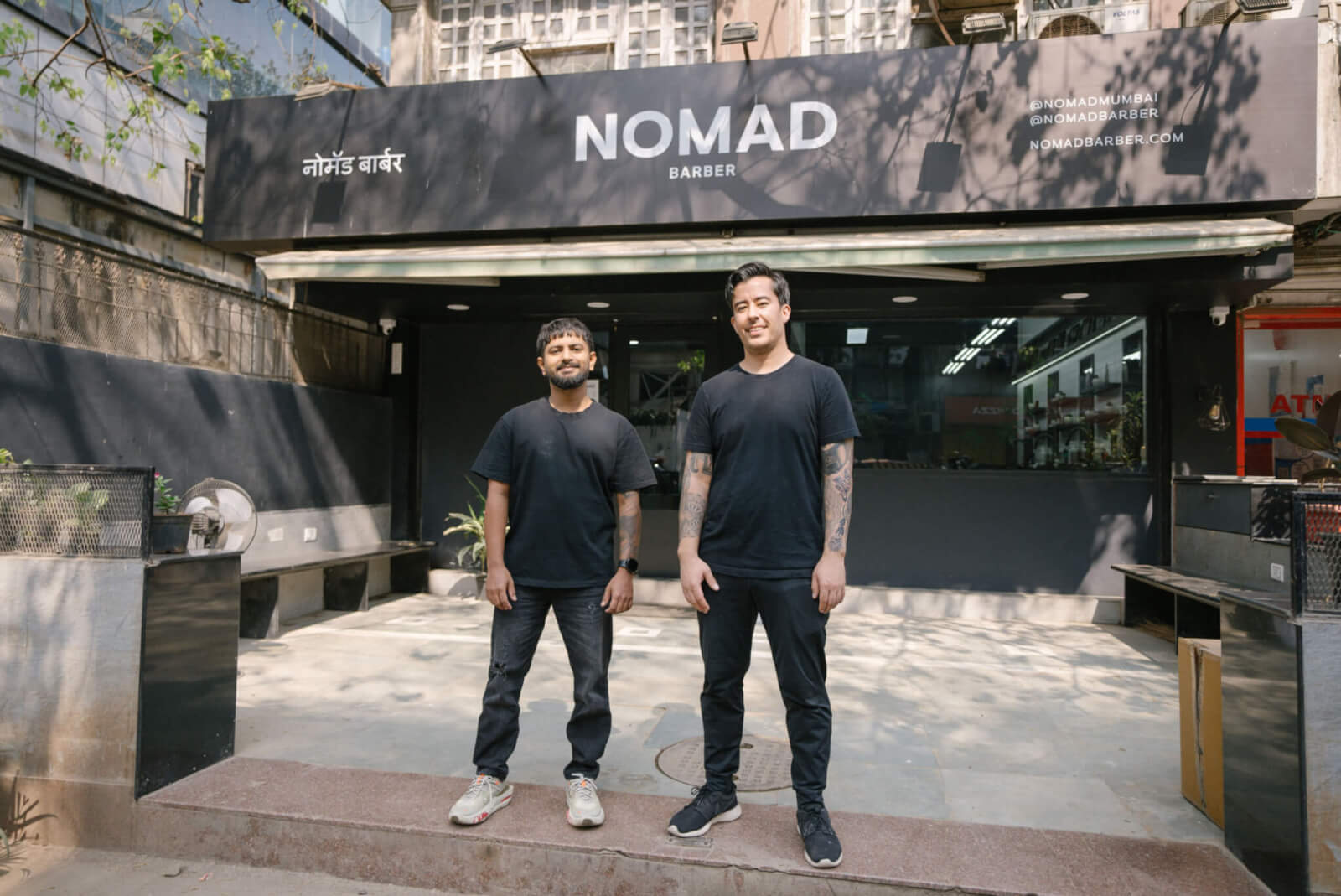
Travelling to 21 countries and documenting the barbering scene across the world, Miguel Gutierrez really became the Nomad Barber. As he opened a barbershop in Khar, Mumbai, Vidhi Arya from Professional Beauty India tried to understand how his journey panned out as a ‘nomad barber’ and how the world of barbering has evolved over the years.
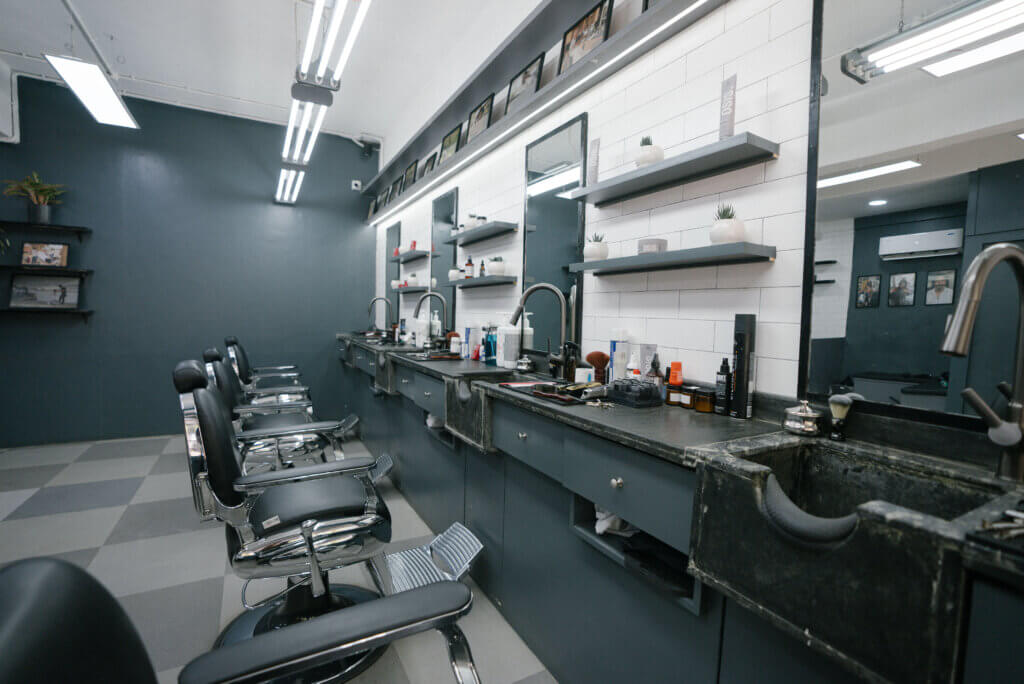
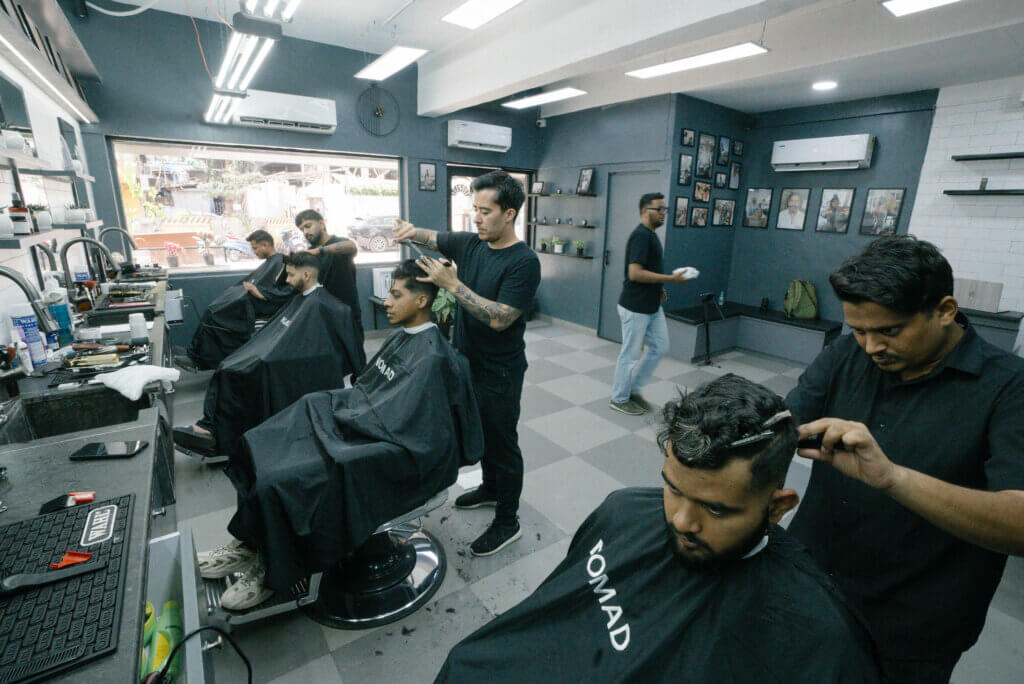
Established in 2014 by Miguel, known as ‘The Nomad Barber’, Nomad originated as a stylish barbershop in Shoreditch. It integrated diverse techniques and customs from various cultures to deliver modern hairstyles while prioritising holistic wellness. Nomad is now in Mumbai, India and here is a glimpse into Miguel’s life and experience in barbering:
Can you tell us about your journey and what inspired you to take up barbering?
In the UK, it’s an old trade that people have been practising for a long time. When I was 16, I wanted to do a job that could eventually help me own a business. It ended up coming to fruition with barbering.
One of my dad’s friends owned four barbershops, and he led a very comfortable life. It made me believe that this could be a job for me. I loved going to the barbershop — the smell, experience, and the relaxing atmosphere attracted me. And, funny enough, I used to cut my friends’ hair during school, and I never happened to connect the dots.
Why the name Nomad Barber?
It came from my will to travel and still be a relevant part of the industry. The original idea was for me to go places, click photos, and cut hair in unique places. Eventually, it evolved to documenting barbering. I needed sponsorship to make that happen. I had to do crowdfunding and I also maxed out my credit cards. Then we got a huge sponsorship from Wahl, and that helped me travel to 21 countries in one year.
Please tell us about your documentary ‘The Nomad Barber’.
It was a documentary web series where I travelled to 21 countries and documented barbering. At the time, barbering hadn’t taken off in most countries. India has a historic tradition of barbering and grooming. However, in many places in Europe and Australia, it was new. This documentary helped me realise how so many people came into the barbering industry, either from hairdressing or scratch. And it now is being seen as a trade that is inviting to people who may not have considered it before.
Out of the 21 countries that you have travelled to, which one has inspired you the most?
India had the most profound impact on me. I was fascinated by the culture of the men being very particular about their looks, irrespective of whether they were poor or rich. Also, they felt comfortable being looked after by another man in the barbershop through massage and facials. All these things add a unique touch to not only Indian barbering but also Indian barbers as they hone their skills with pride. It was also inspiring to know how many of them, coming from humble backgrounds, were born into it due to family circumstances.
I adopted some of these things into the barber shops in London and Berlin.
How has barbering evolved from its inception to date?
It has gone from this super cheap, looked down upon trade to this super cool hipster trade from 2012 onwards. I feel it has a lot more respect and there are a lot more shops and communities growing around the world. At the same time, there’s still a lack of good education, even in the places where there are a lot of barbershops. Many people are committing to short courses and trying to open their shops super fast.
India is at the beginning of its culture. I understand there are still some inhibitions around the word and trade ‘barber’. Here, we want to reinforce that barbering can be a high-end job. It’s a completely different trade to hairdressing and should be equal in terms of pay. It will be a long road ahead, but that’s one of our goals.
What changed the scene of barbering?
I think a lot of it comes from social media. Also, there was a very popular barber shop in the Netherlands. They revolutionised and brought a new kind of art direction to classic haircuts. They hyped slick looks and pompadours. Everyone looked up to them as the holy grail of barbering. I think they were like a pivotal moment in the barber industry changing.
I also feel like my web series had a positive impact around that time. While we were travelling, we noticed people wanted to take pictures with us. That is how we knew that we were making a difference.
Also, at that time, people would jump in to become barbers. They saw that it was a cool job. I feel like that’s the shift we need to make in the Indian barber shop. In the Western barber shop, there are a lot of conversations between clients and barbers. There is always a friendly atmosphere, and the barber is not considered to be on a level lower than the client. That’s something that we need to bring to India.
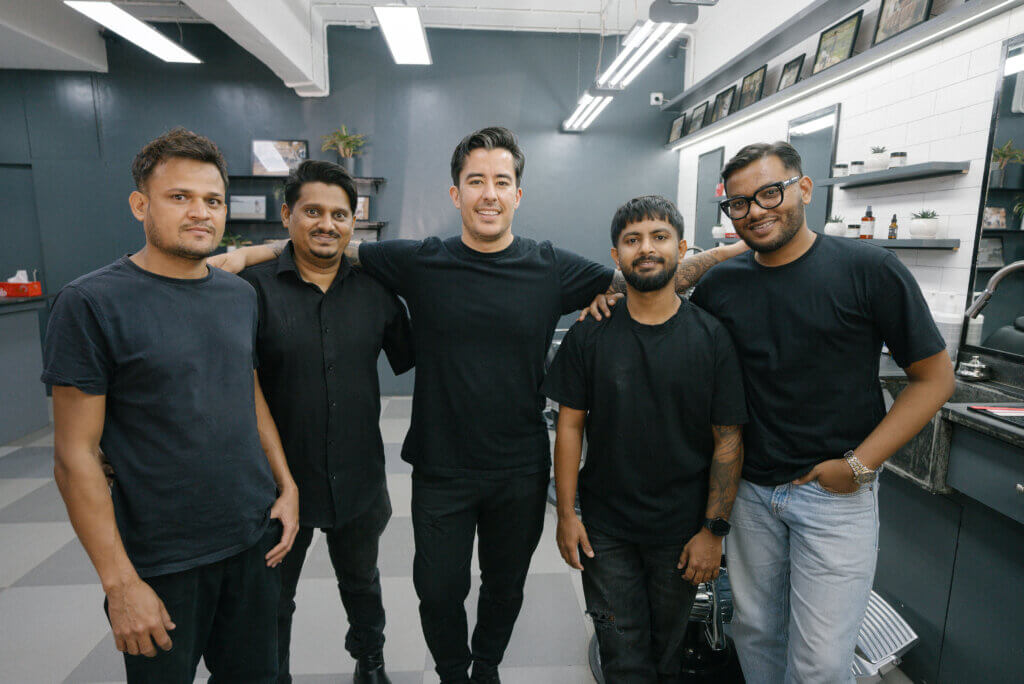
And last question, what message would you like to give to the Indian aspirants who want to get into barbers?
I would just say help us change the industry. Help us push education and promote men’s hair more. Let’s just try and do it together. Whether we’re doing a show or launching a product range, let’s work as a community rather than as rivals.
