


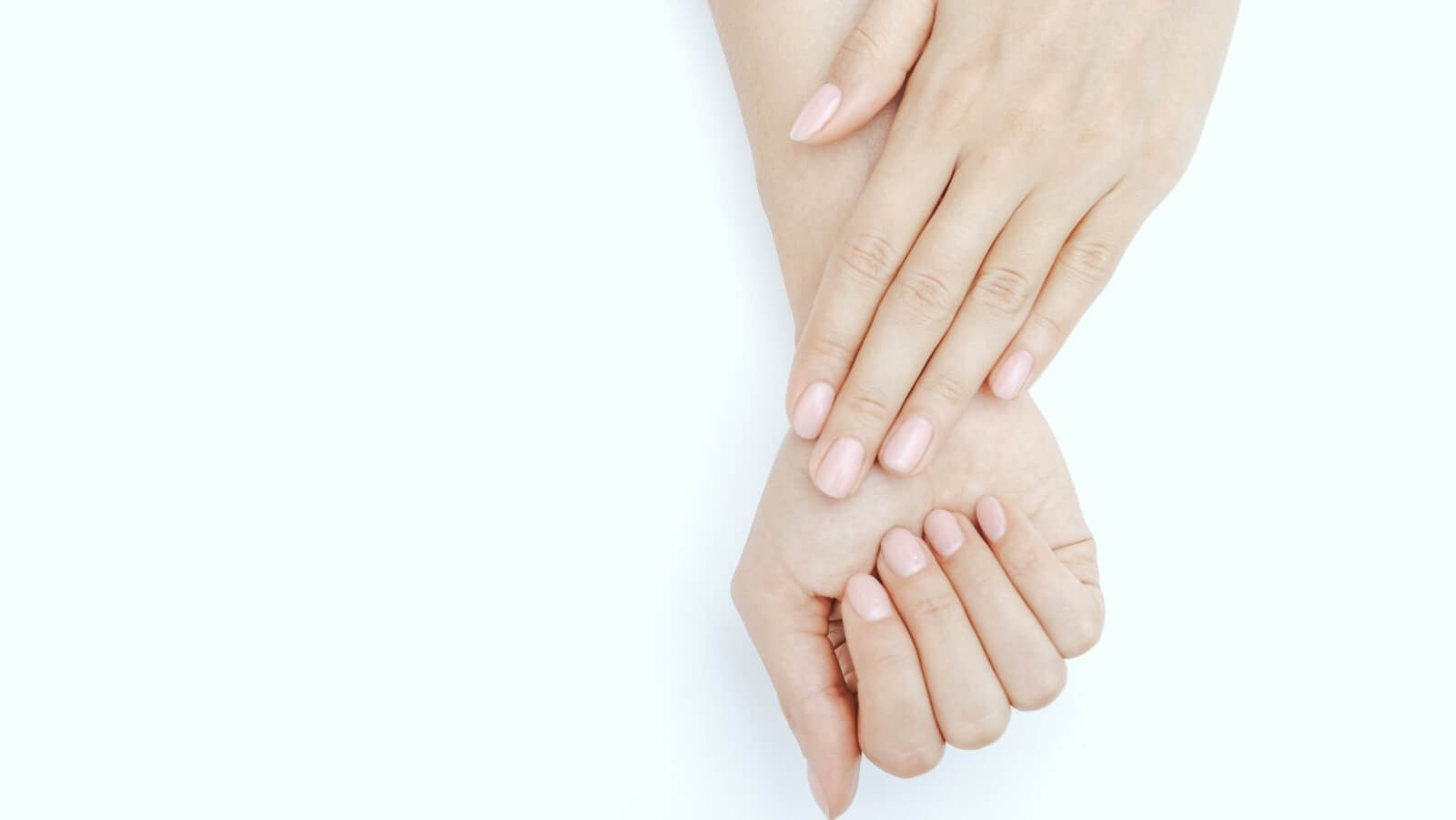
Even as maximalism makes a loud comeback, minimalism continues to shine. In the world of minimalist nails, the Japanese manicure is one trend that’s making waves. Vidhi Arya explores the story behind this traditional treatment, why it’s suddenly everywhere, and how it can benefit salons.
The field of manicures is largely dominated by gel extensions, bold nail arts, and long-wear coating. Even though these continue to be client-favourites, a soft trend is gaining massive traction on social media, it’s the Japanese manicure. The Japanese manicure shifts the focus from decorating the nails and it is all about restoring the natural nail health. As a result, the demand is growing, and its making a place for itself in salon service menus across the globe.
The Japanese manicure is often known as “natural nail glow” manicure. It’s seen as a healthier and easy-to-maintain nail service. The technique enhances the nail’s natural colour and shine without using polish or gel. Instead, it uses nutrient-rich pastes and powders that are buffed into the nail plate to strengthen and nourish it.
Japanese Manicures are Finding Modern Relevance
The Japanese manicure is a traditional beauty practice followed in Japan. There, the technicians use natural ingredients like beeswax, silica, keratin and vitamins. The ultimate goal? To make the nail naturally healthy and shiny.
The technique usually starts with nail shaping, gentle buffing and cuticle care. Next comes the application of a vitamin-rich paste that is massaged into the nail surface. Lastly, a mineral powder is buffed on top to seal the nutrients and create a soft, pink-pearl shine.
Unlike most gel or acrylic manicures, the shine is created through polishing and nourishment rather than applying a coating on the surface. This natural sheen gradually fades only as the nail grows out instead of chipping away.
Why Salons Are Seeing Growing Demand
The popularity of the Japanese manicure reflects an ongoing shift in consumer behaviour within the beauty industry. Several clients now focus on nail health, ingredient transparency and minimalism over elaborate nail art.
Industry professionals report that more clients are taking breaks from gel and acrylic systems after experiencing nail thinning or brittleness. The Japanese manicure offers a restorative option while still delivering a polished, salon-quality finish.
The treatment also aligns with the wider “skinimalism” movement in beauty, where consumers prefer treatments that enhance natural features rather than covering them. For salons, this means bringing on a service that bridges wellness and aesthetics.
A New Opportunity for Indian Salons
Even in India, while gel polish and nail extensions continue to dominate salon menus, nail technicians report that a segment of clients, especially professionals and mature consumers, are actively seeking treatments that prioritise nail health. For salons, this opens up an opportunity to introduce a premium “nail recovery” or “natural nail care” category alongside traditional manicure services.
Japanese Manicure as A Strategic Add-on Service for Salons
From a business perspective, the Japanese manicure presents an opportunity for salons to diversify their service menu. Because the treatment focuses on nail health, it can be a recovery service for clients transitioning away from gels or extensions.
It also appeals to a broader demographic, including professionals who prefer subtle nails, pregnant clients avoiding chemical treatments, and those seeking low-maintenance grooming.
For technicians, the technique requires specialised buffing tools and natural ingredient formulations but generally involves fewer chemical products and electric tools than many advanced nail systems. This makes it a relatively accessible addition to a salon’s service offerings.
