


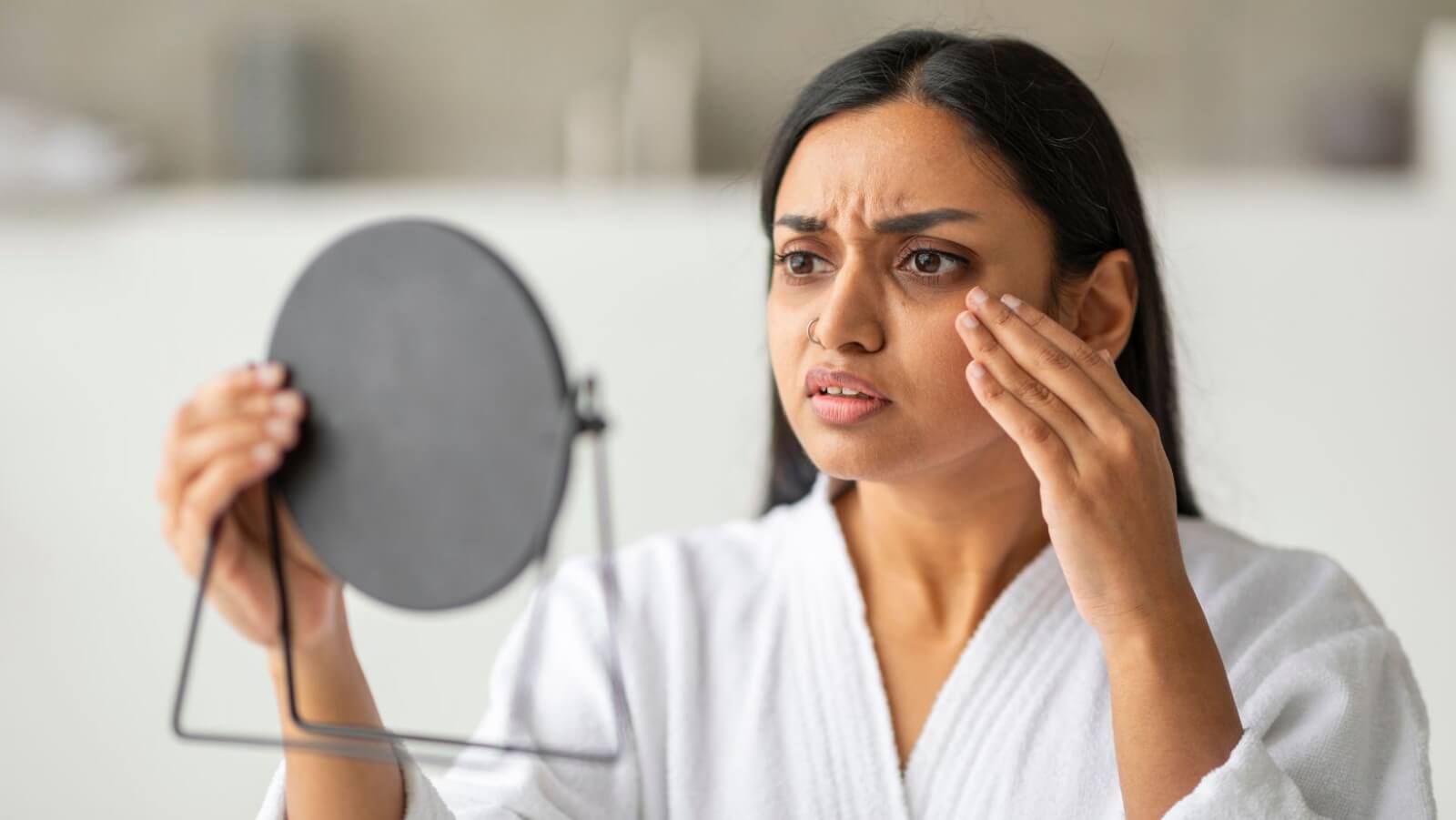
Unilever presented new research at IMCAS World Congress showing how psychological stress impacts skin and hair at a biological level, revealing early molecular changes and opening pathways for future skincare focused on stress-driven mechanisms.
At the IMCAS World Congress in Paris, Unilever shared new research on how psychological stress impacts skin and hair. Stress has long been linked to acne, psoriasis and hair loss. But the biological pathways behind this link have not been clearly mapped. Filling the gap, this study focuses on explaining that connection in a structured way.
What happens to skin under stress
The research shows that chronic stress affects the skin in multiple ways:
- Weakens the skin barrier
- Disrupts the skin microbiome
- Triggers long-term inflammation
- Alters normal skin function
These changes do not happen in isolation. They interact with each other and create visible and underlying skin concerns.
The study also highlights that most earlier research looked at only one factor at a time. This limited the understanding of the full picture.
Studing Several Layers Reveal Early Warning Signs
A key part of the study is the use of multi-omics data. Multi-omics data refers to finding that come to light by looking at multiple biological layers together instead of just one. This approach combines different biological datasets to study the body in a more connected way.
The findings showed early molecular changes in healthy individuals aged 18–35. Key biological shifts included:
- Inflammation signals
- Oxidative stress markers
- Microbiome imbalance
- Changes in cell communication
- Structural changes in skin
These are early-stage signals. They appear before visible skin issues develop. Researchers describe them as “early markers” or precursors. These can help predict how stress may impact skin over time.
What this means for product development
The study moves the focus from treating symptoms to targeting root causes. Instead of only addressing visible concerns, future products can:
- Target inflammation pathways
- Support microbiome balance
- Strengthen the skin barrier
- Address stress-linked biological triggers
This opens up opportunities for preventive skincare and personalised solutions. It also aligns with growing interest in skin health rather than surface-level treatment.
The need for better research models
The researchers highlight the need for more integrated studies going forward. They recommend:
- Large population-based studies to identify patterns
- Data collection across biological systems
- Combining psychological and biological inputs
- Use of advanced analysis models to study cause and effect
This approach can help build a clearer understanding of the stress–skin connection.
A shift in how skin health is studied
The study positions stress as a core factor in skin biology, not just an external trigger. By mapping the stress–skin axis, it creates a base for future research and product innovation. For the industry, this signals a shift towards science-led, data-driven skincare development.
