


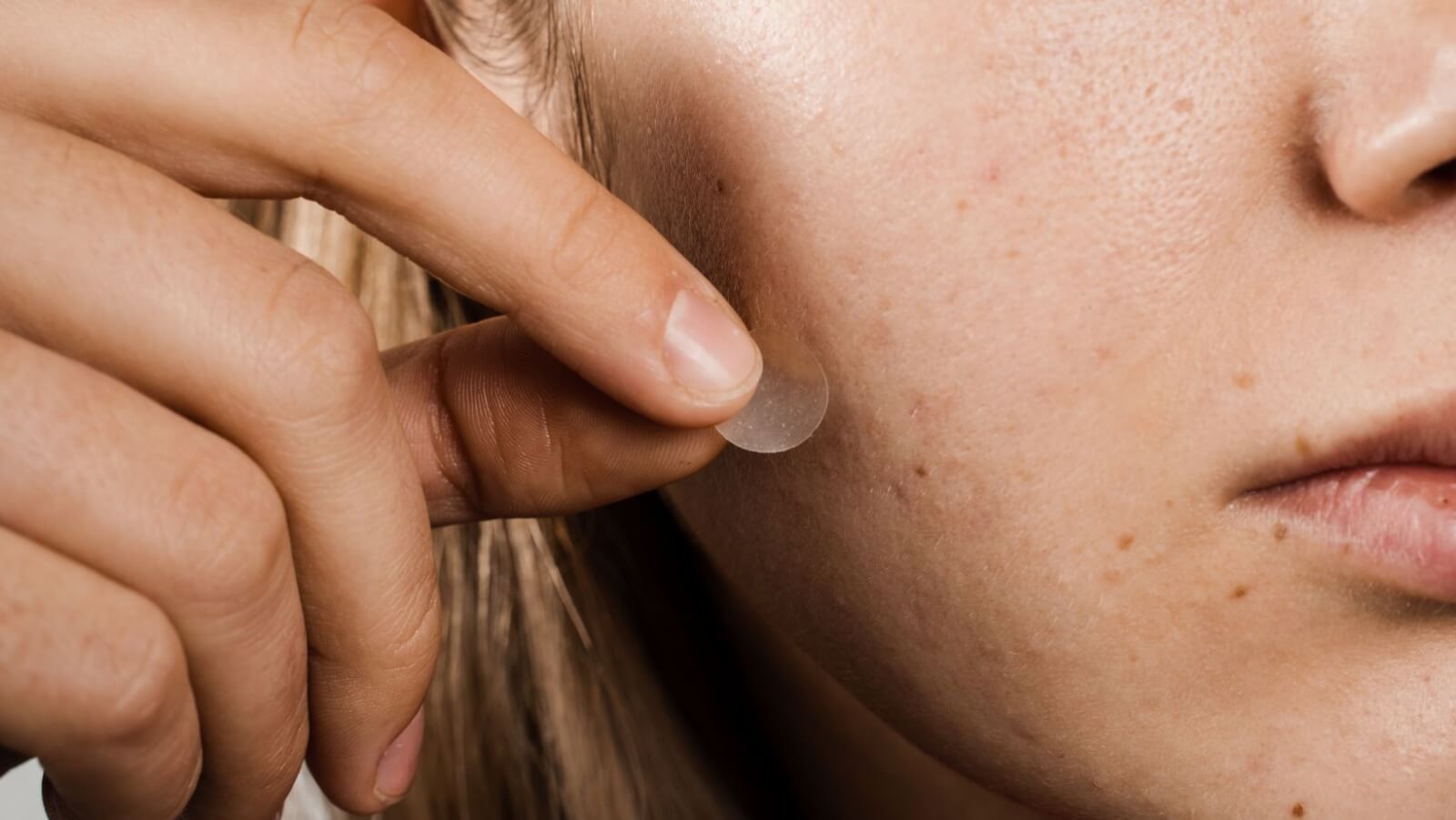
Pimple patches have quickly become one of skincare’s most popular quick fixes, promising to flatten breakouts overnight, reduce redness, and stop the urge to pick. Vidhi Arya delves into what pimple patches are, how they work, and what’s the science behind them.
Pimple patches have suddenly become a huge hype. Everyone wants them for a quick fix to acne and a clear face. The product is becoming a treatment tool as well as a skincare lifestyle product. From clear hydrocolloid dots to star-shaped sticker patches, they come in all shapes, sizes, and colours.
But while they are effective, pimple patches are often misunderstood.
Pimple patches are breakout management tools and not a complete acne solution. How effective they will be ultimately depends on the stage and type of breakout and the kind of patch being used.
What are pimple patches often made of?
Most classic pimple patches are made with hydrocolloid. It’s a wound-healing material originally used in medical dressings. This material absorbs excess fluid, pus, and oil from a surface-level blemish while creating a protective seal over the area. That seal keeps the spot safe from fingers, friction, makeup contamination, and environmental aggressors—all of which can worsen inflammation.
What are pimple patches used for?
Pimple patches are particularly effective for:
- whiteheads
- pustules
- freshly popped pimples
- healing acne wounds
- spots prone to picking
The patch often turns white after a few hours, which many people interpret as it “pulling the pimple out.” In reality, what you’re seeing is the hydrocolloid absorbing wound fluid and moisture from the breakout. The pimple may look flatter the next morning, but the patch is not extracting the entire clog.
That distinction matters.
When Pimple Patches Work Best
They are most effective on ripe, visible breakouts with a white tip. On these, they can noticeably flatten swelling overnight and help the skin heal cleaner.
However, they are less effective on:
- blind pimples
- cystic acne
- deep hormonal breakouts
A regular hydrocolloid patch cannot treat inflammation that sits deeper under the skin. In these cases, microdart patches, which use tiny dissolving spikes with ingredients like salicylic acid, are usually a better choice.
The New Generation of The Product
Today’s pimple patch market goes far beyond plain hydrocolloid.
The category now includes:
- classic hydrocolloid patches for whiteheads
- active-infused patches with salicylic acid, tea tree, sulfur, or centella
- microdart patches for blind pimples and cystic spots
This evolution has transformed the format from a simple acne sticker into a more targeted skincare intervention.
For brands, it also opens stronger ingredient storytelling and clearer use-case segmentation, which makes the category highly searchable and consumer-friendly online
The Biggest Misconception
The most important thing to understand is that pimple patches are spot-management tools, not acne treatments.
They help one blemish heal faster, but they do not prevent future breakouts. If acne is recurring, hormonal, or caused by congestion, the root issue still needs to be addressed with a complete skincare routine or professional treatment.
Another common mistake is applying them over moisturiser or spot cream. They should always be used on clean, dry skin to stick properly and work effectively.
Why They Became So Popular
Pimple patches combine skincare science with habit correction. For people who touch or squeeze their skin, simply covering the breakout can prevent further damage.
Their popularity also comes from emotional reassurance: a visible patch makes the pimple feel less exposed while actively helping it heal.
In short, pimple patches are absolutely worth using—but only for the right kind of breakout. They are not a cure for acne, but for whiteheads and healing spots, they remain one of the smartest overnight skincare fixes.
