


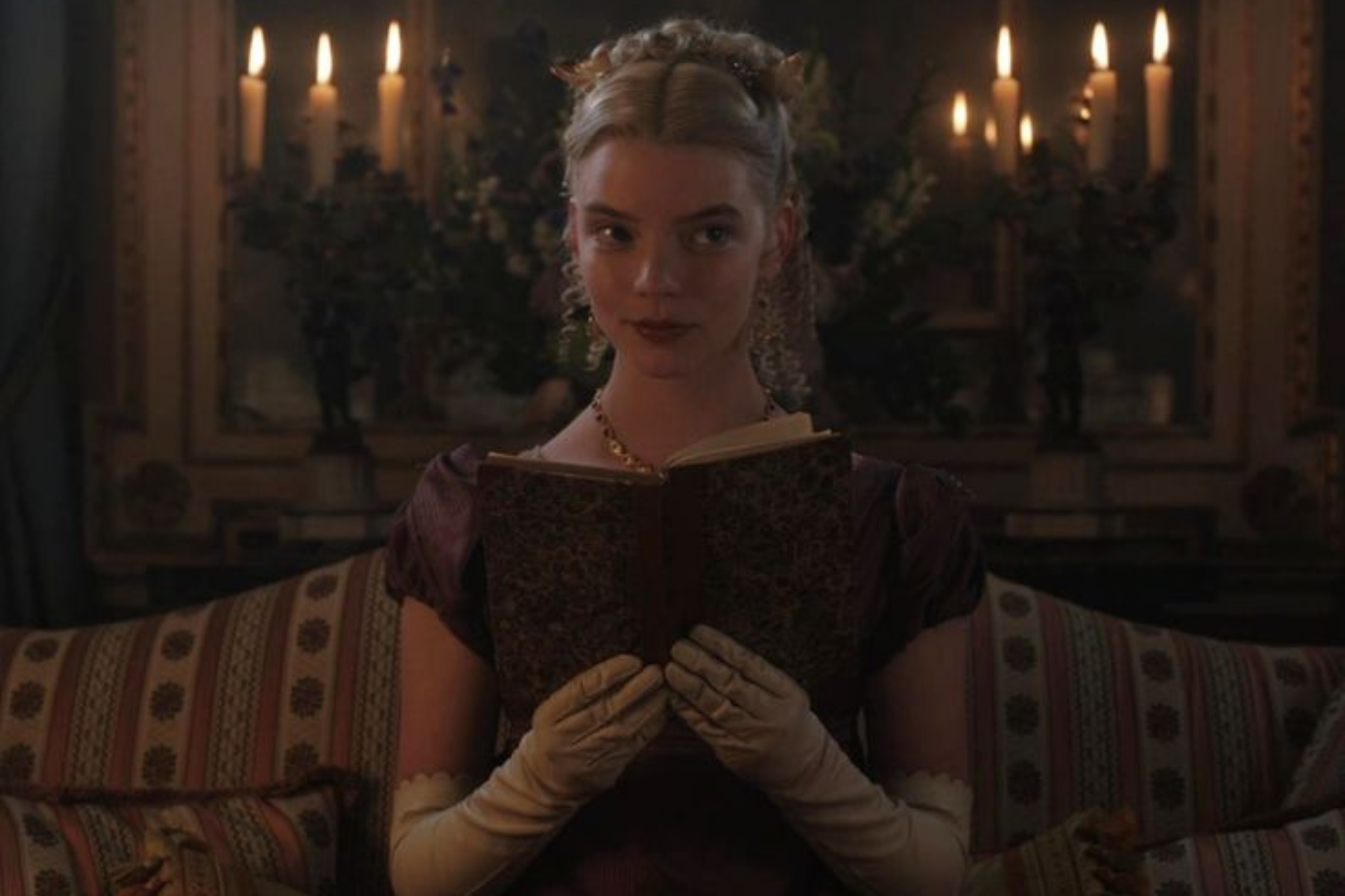
Skincare may seem like a trend now. But long before your 12-step routines, and before influencers convinced you that you are just one more product away for attaining that radiant skin you fall asleep dreaming of, women of the Victorian era already traded beauty secrets. They swapped tips in etiquette manuals, in parlors, and, as it turns out, through the beauty rituals of classic literature‘s most beloved female characters.
Whitened and pale skin was really a thing back then, and it held real value amongst the bourgeoisie. Women never stepped out without their parasols and sun bonnets. The manual The Home Book of Etiquette (part of the Household Companion series by Alice A. Johnson, Mrs. Janet McKenzie Hill, and Dr. Henry Hartshorne) placed heavy emphasis on exercise and rest. The authors recounted the words of an elderly woman famed for her rosy complexion. Her beauty secret recipe included early nights, moderation in socializing, a brief hot bath before bed, and café au lait with bread but no butter for breakfast. These restrictive beauty standards even discouraged overexertion; a full day of lawn tennis or croquet was considered too taxing for the skin.
Several of literature’s most memorable female leads had their own relationships with beauty. Some were meticulous, some scandalous, some refreshingly effortless. So, here’s a list for you, exploring the beauty rituals of classic literature, with a serving of nostalgia and geekery.
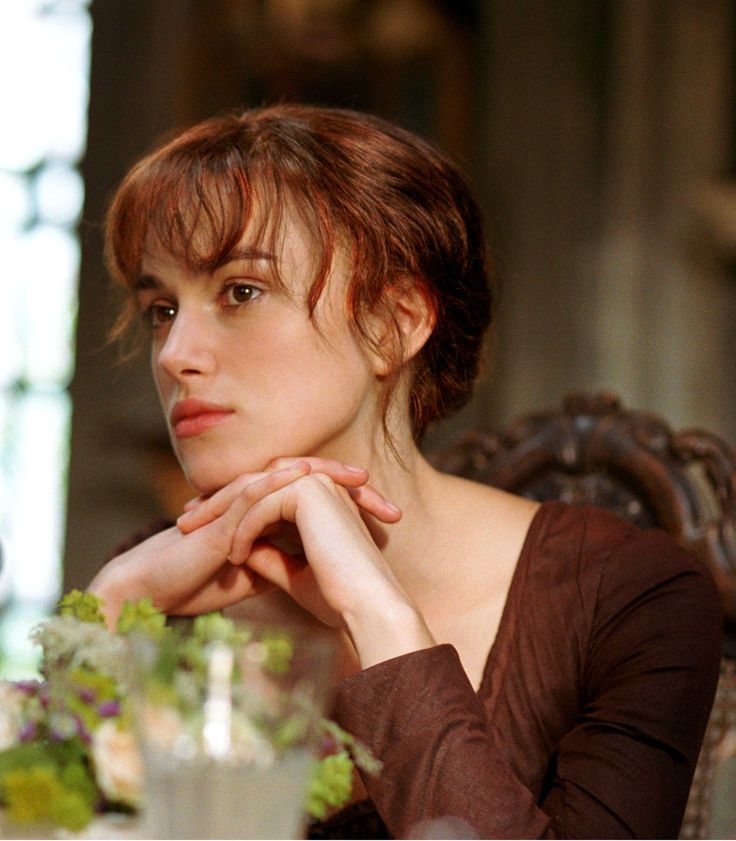
Elizabeth Bennet – Pride and Prejudice
Fierce, brazen, and one of the most beloved characters Jane Austen has ever brought to life, Elizabeth Bennet, aka Lizzy, has a charm rooted in her intelligence and piercing dialogue. People often admire her “fine eyes” and natural liveliness rather than any elaborate beauty regimen. Her muddy, wind-blown three-mile walk to Netherfield famously scandalizes the more polished Bingley sisters. When an actress who played Elizabeth on screen described her beauty prep for the role, she kept it minimal: just sunscreen, a touch of beetroot for a natural tint, curled lashes, and simple brow grooming. This fits her character perfectly. Elizabeth rejected what society expected of her, and what counted as “fitting” for a lady in the Regency period. Her look favours sharp features that reflect her confidence and quick wit.
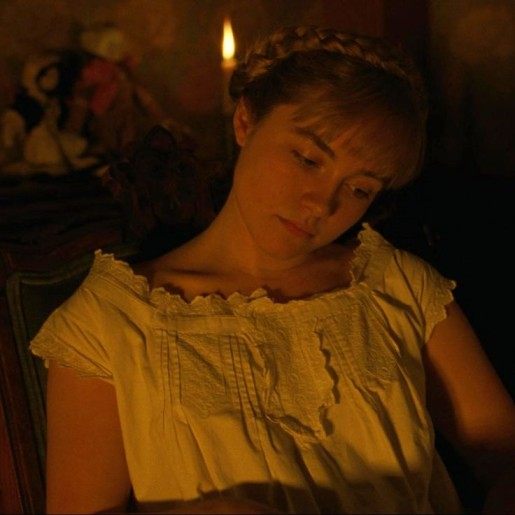
Amy March – Little Women
Amy, the youngest of the four March sisters in Louisa May Alcott’s Little Women, goes through everything most girls her age do. She chases attention-seeking activities and wants a name for herself beyond her own four walls. Vanity colors her early idea of beauty. As a girl, she clips a clothespin to her nose each night, convinced it will reshape it into something daintier. She also squeezes lemon juice onto her freckles, hoping to fade them. These small rituals speak to her naivety and to a young girl’s dedication to transforming her looks overnight, for the very first time.
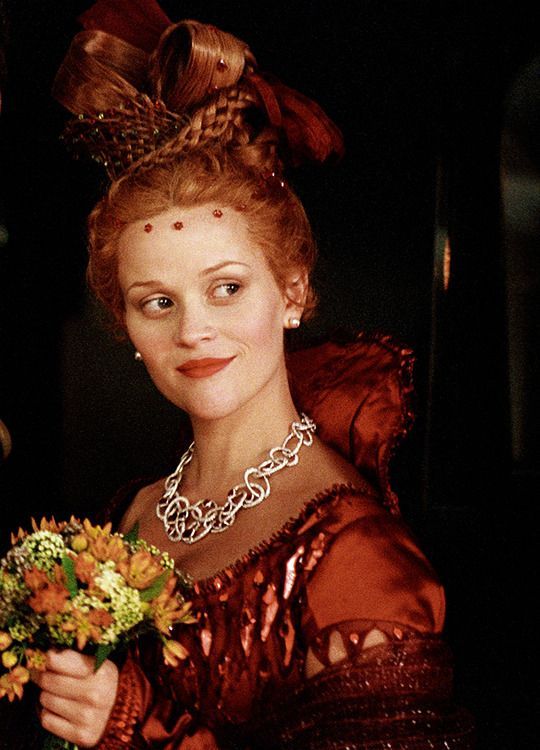
Becky Sharp – Vanity Fair
Becky Sharp lives up to her last name in more ways than one. In her era, “respectable” women avoided makeup and aimed for a naturally rosy look without any visible help. Becky’s use of rouge marked her as provocative, even scandalous. But that was rather the point. Becky uses every tool available to her, cosmetics included, to climb a social ladder that was never built for someone like her. Red, in makeup, has always symbolized feminist resistance against patriarchal control; suffragettes captured this same spirit in “The Red Lipstick Movement,” using red to challenge restrictive norms.
Scarlett O’Hara – Gone with the Wind
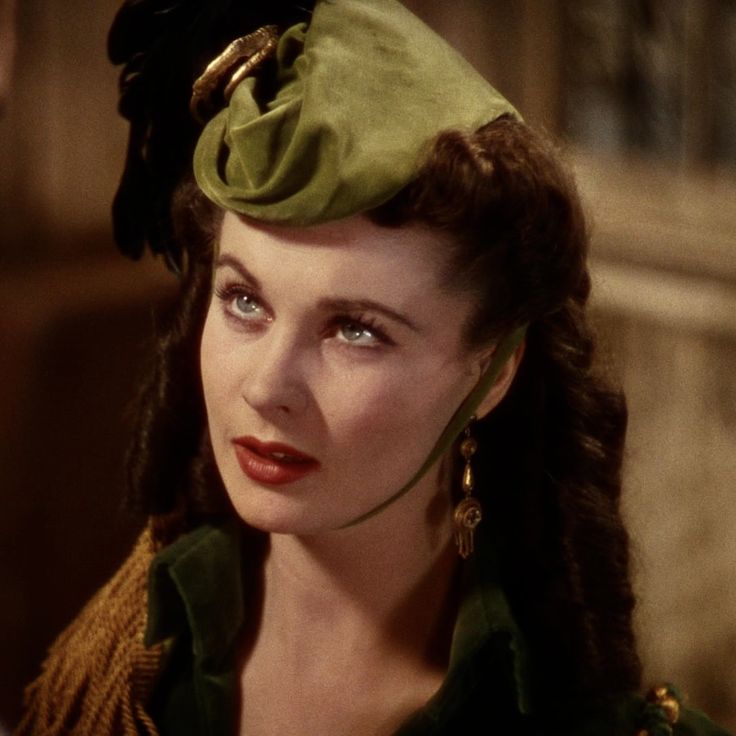
Margaret Mitchell’s dark-haired, green-eyed protagonist, Scarlett O’Hara, embodies renegade energy and defiance. She makes everything work her way and refuses to entertain any other outcome, unapologetically.
Scarlett’s beauty routine reads almost like a page from the era’s own etiquette manuals. She fiercely protects her pale complexion, dipping her face in icy water to lock in freshness and shielding her skin from the Georgia sun. Buttermilk and cucumber treatments, popular trends of her time, help keep her skin supple and even-toned. She values her energy and knows how to keep herself on point even as her life falls apart, a resilience that defines her entire arc.
In Closing
Reading through Amy, Scarlett, and Becky’s stories brings a gentle nod from women across generations. These characters remind us that the impulse to care for one’s appearance, sometimes genuine, sometimes performative, sometimes aspirational, has always been a kind of natural law. Elizabeth Bennet and the familiar “charming old lady” from The Home Book of Etiquette remind us that when beauty standards feel overwhelming, we can simply go back to basics: good sleep, a little sun protection, and not overdoing it. Elizabeth Bennet, with all her glory, embraced Skinimalism long before it became a movement in the modern era.