
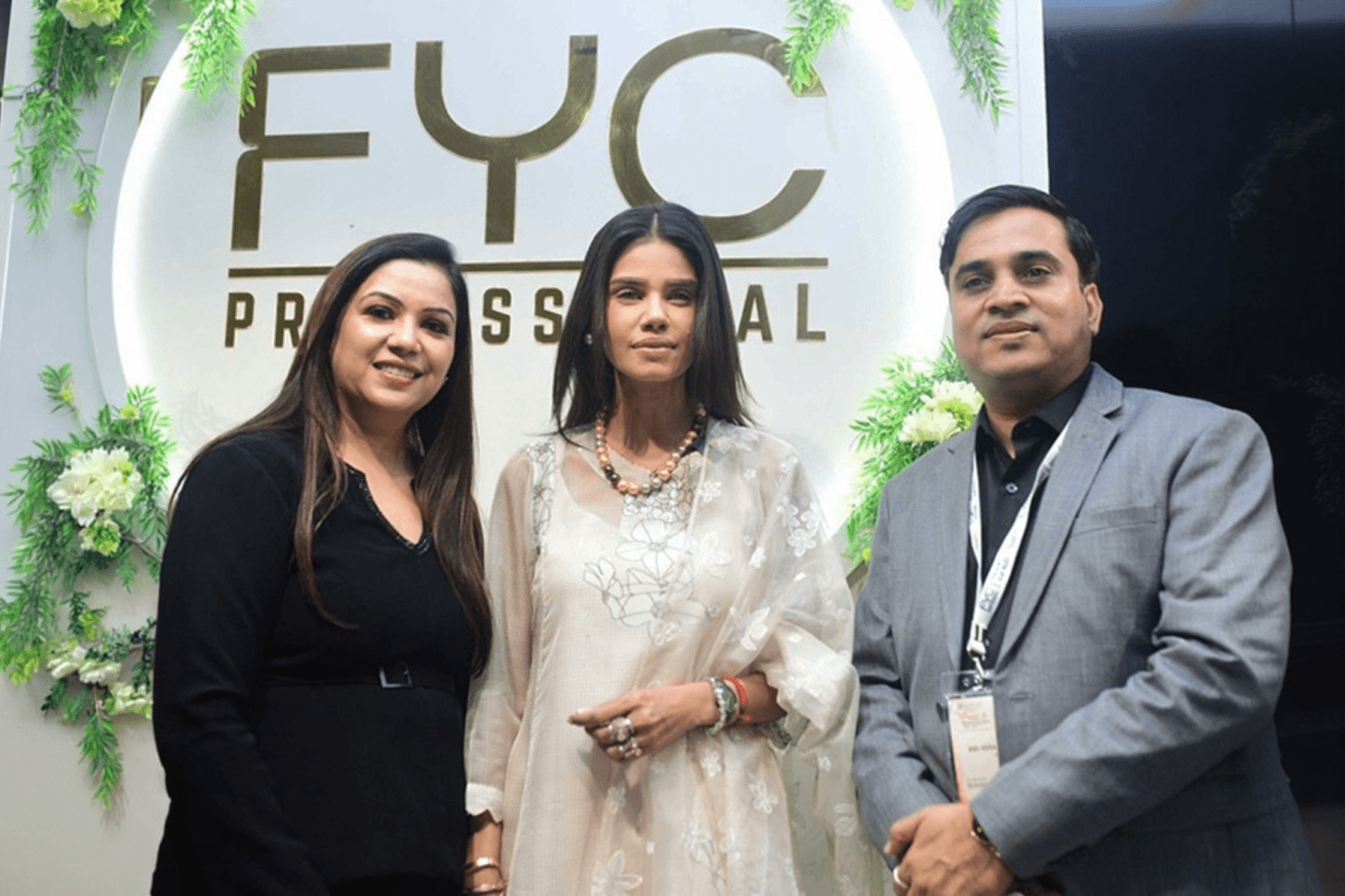
When Bhumika Bahl recently backed FYC Professional’s personal care line, it signalled more than a routine celebrity tie up. It pointed to a gap the Indian beauty industry has been quietly grappling with: consumers have access to more products than ever, but not nearly enough guidance on how to use them.
India’s broader beauty and personal care market was valued at $31.19 billion in 2025, and shelves, both physical and digital, are fuller than ever. But product availability hasn’t translated into clarity for shoppers. Many remain unsure about which ingredients suit their skin, how to build a routine, or whether the products they’ve picked even work well together. That gap between availability and understanding is opening up space for brands willing to act not just as sellers, but as advisors people can trust.
For beauty companies tracking this shift, guidance led skincare may turn out to be the sharpest point of difference in the years ahead.
Why India Has a Skincare Knowledge Gap
India’s skincare market has moved fast over the last decade. Today’s consumer encounters an overwhelming spread of options across e-commerce sites, quick commerce apps, social commerce, dermatology clinics, beauty retailers, and a constant stream of influencer recommendations.
More choice hasn’t meant more clarity. If anything, it has bred more confusion. Terms like retinol, niacinamide, ceramides, peptides, and microbiome skincare have entered everyday vocabulary, but most consumers still don’t fully understand how or when to use them. Many skincare routines today get pieced together from scattered social media tips rather than any structured advice, which drives engagement but carries real risk, both for skin and for brand trust.
How Education Became a Customer Acquisition Strategy
Beauty marketing used to lean almost entirely on aspiration: glossy visuals, big promises, minimal explanation. That is changing fast. Today’s skincare consumer increasingly expects education alongside promotion.
The brands pulling ahead on engagement and retention tend to be the ones explaining the basics clearly: what an ingredient does, how to use it correctly, which skin types it suits, how long results realistically take, and what it shouldn’t be mixed with.
It is no accident that dermatologist led brands, skin diagnostic tools, and personalised skincare platforms have all gained traction recently. They are riding this exact demand. FYC Professional’s own positioning, built around closing the skincare guidance gap, fits squarely into this broader shift.
Personalised Skincare Is Replacing Generic Recommendations
Consumers are no longer satisfied with one size fits all suggestions. They want something tailored to their specific skin. This shift is fuelling a few clear trends in how people discover and choose products:
-
- AI powered skin assessments are becoming common, offering instant, diagnostic style feedback
- Expert consultations, virtual and in person, are steadily growing in popularity
- Skincare communities and forums are thriving as consumers turn to peer discussion to make sense of their options
- Data driven personalisation is helping brands recommend products with far more precision
Together, these approaches do double duty: they reduce decision fatigue while quietly building consumer confidence.
Why Trust Is the New Competitive Advantage in Beauty
India’s beauty market has become intensely competitive. A shopper can compare hundreds of products in minutes across multiple digital platforms. In that environment, trust has become one of the most valuable assets a beauty brand can build.
Educational content feeds directly into that trust. When consumers understand why a product works and how to use it correctly, they are more likely to stay loyal long term. This matters even more in skincare, where visible results rarely show up overnight and usually need weeks, sometimes months, of consistent use.
Brands that invest in consumer education stand to gain on two fronts: stronger retention, and less dependence on constant discounting to keep customers coming back.
The Changing Role of Beauty Experts and Influencers
Influencers remain central to beauty discovery, but what consumers expect from them is shifting. A simple endorsement is starting to feel thin. People increasingly want explanations alongside the recommendation.
This is pulling dermatologists, aestheticians, and trained skincare professionals further into the spotlight. Consumers want to understand the “why,” not just the “what.”
That shift creates real opportunity for collaborations that combine product promotion with genuine educational value, rather than treating the two as separate. The involvement of recognised personalities such as Bhumika Bahl reflects exactly this trend: credible voices being used to add substance, not just visibility, to beauty marketing.
Growth Opportunities for Beauty Brands
The skincare guidance gap presents several concrete opportunities for brands operating in India’s beauty sector:
-
- Lead with education led marketing instead of pure product promotion
- Build simple skin assessment tools to improve recommendation accuracy
- Partner with credible experts to strengthen brand trust
- Simplify product communication since consumers respond better to clear, actionable guidance than jargon
- Invest in customer success, since helping people see real results drives repeat purchases and word of mouth
Brands that build these capabilities are likely to develop stronger customer relationships than those competing purely on product differentiation.
What This Means for Manufacturers and Formulators
This shift isn’t only a marketing story. It reaches back into how products get developed in the first place. Formulations designed with education in mind tend to perform better when they come with:
-
- A clear, simple ingredient story
- Transparent, honest efficacy claims
- Straightforward usage instructions
- Strong supporting data
- Evidence based positioning rather than hype
Even the most advanced formulation will struggle to succeed if consumers don’t understand its purpose or how to use it. This is pushing R&D, marketing, and consumer education teams to collaborate far more closely than before.
Quick Commerce Adds a New Layer of Challenge
The rapid rise of quick commerce has introduced another dimension to the guidance problem. Consumers buying skincare within minutes often have little opportunity to research a multi step routine beforehand.
This puts pressure on brands to make the essentials clear instantly, right at the point of purchase. Digital shelf content, short explainer videos, and simplified product descriptions are becoming critical assets rather than nice to have extras. As beauty increasingly becomes an impulse purchase category, education needs to be built directly into the shopping journey, not added on afterward.
From Selling Products to Solving Problems
The broader significance of FYC Professional’s approach lies in what it reveals about the future of skincare marketing in India. The industry’s next growth phase may depend less on expanding product portfolios and more on improving how consumers make decisions.
Shoppers today aren’t just looking for products. They are looking for solutions, confidence, and clarity. Brands that reduce confusion while still delivering effective products are better positioned to earn long term loyalty.
As India’s skincare market matures, guidance driven engagement is shaping up to be a defining trait of successful beauty businesses rather than a nice to have differentiator. For brands, retailers, and manufacturers alike, the message is increasingly clear: education is no longer a support function. It is becoming a growth strategy in its own right.
