


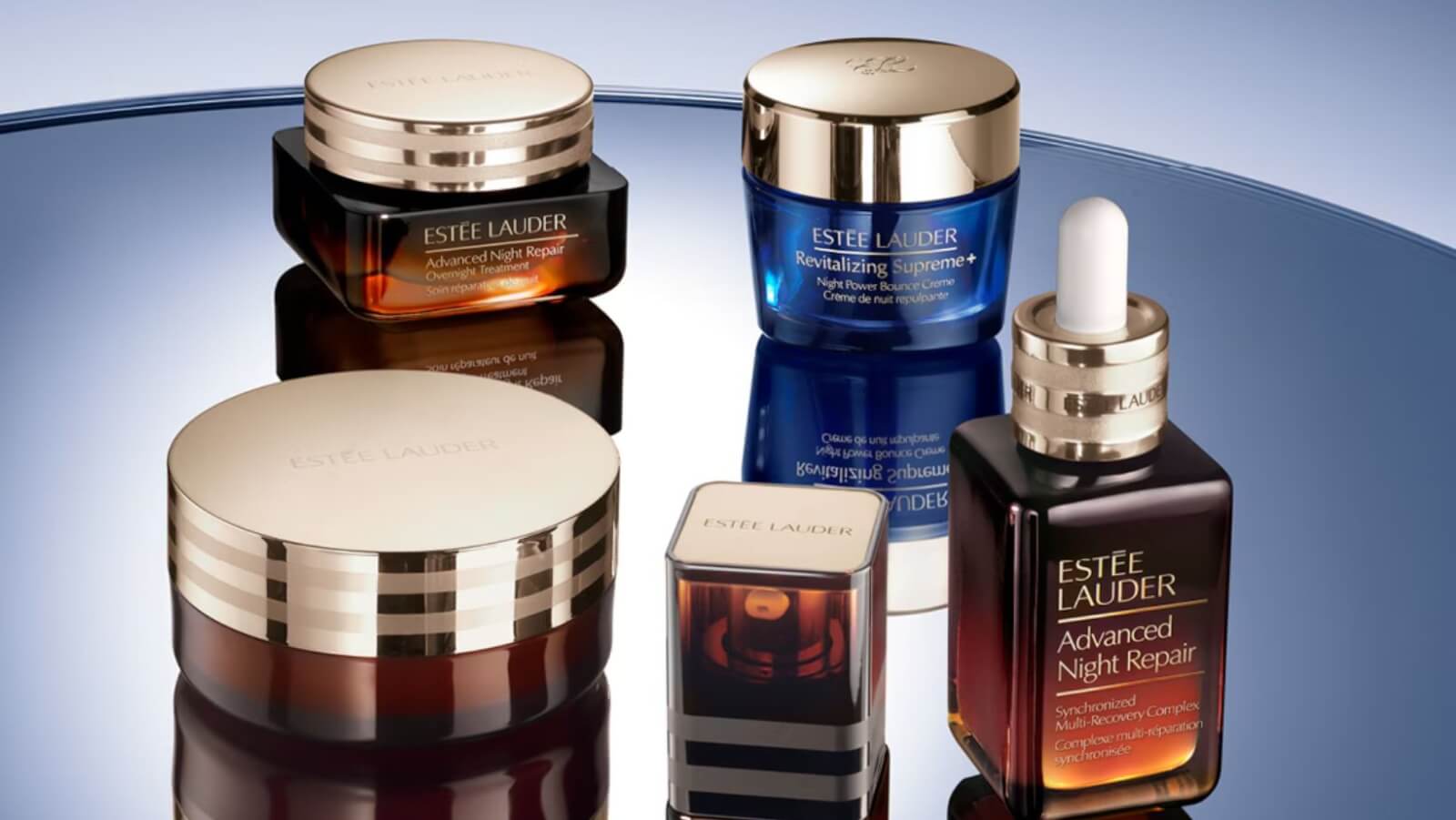
Estée Lauder is in early talks with Puig for a potential merger that could create a $40 billion beauty group, signalling consolidation trends and strategic repositioning in the global premium beauty market.
Estée Lauder is in discussions with Puig, the Spanish company behind fragrances such as Rabanne and Jean Paul Gaultier, over a potential merger. The deal, if completed, could create a combined entity valued at around $40 billion.
Both companies have clarified that discussions are ongoing. No final agreement has been signed yet. The structure and terms remain undecided.
Two global players
Estée Lauder operates across skincare, makeup and fragrance. Its portfolio includes brands such as Clinique, Bobbi Brown and Tom Ford.
Puig is a Spain-based company with a strong presence in fragrances and fashion. It owns brands such as Rabanne, Jean Paul Gaultier and Carolina Herrera. The company operates in over 150 countries and reported revenue exceeding €5 billion in 2025.
Strategic timing
The talks come at a time when Estée Lauder is working to stabilise its business. The company has faced slower sales and undertook cost-cutting measures, including job reductions.
A merger could help strengthen its position across categories, especially in fragrance, where Puig has strong capabilities.
For Puig, the deal could expand its scale in skincare and makeup while strengthening global reach.
Following news of the talks, Estée Lauder’s shares declined by nearly 8 percent. This reflects investor caution around deal uncertainty and integration risks.
Industry consolidation continues
The potential merger reflects a broader trend of consolidation in the beauty industry. Recent deals highlight this shift. e.l.f. Beauty acquired Rhode in a deal valued at up to $1 billion. Kering also agreed to sell its beauty business to L’Oréal for €4 billion.
These moves show how companies are focusing on scale, portfolio expansion and category strength.
What lies ahead
The outcome of the discussions remains unclear as no final decision is in place. If completed, the merger could reshape the premium beauty landscape.
It would combine strong brand portfolios, expand category presence and create a larger global player in a competitive market.
