


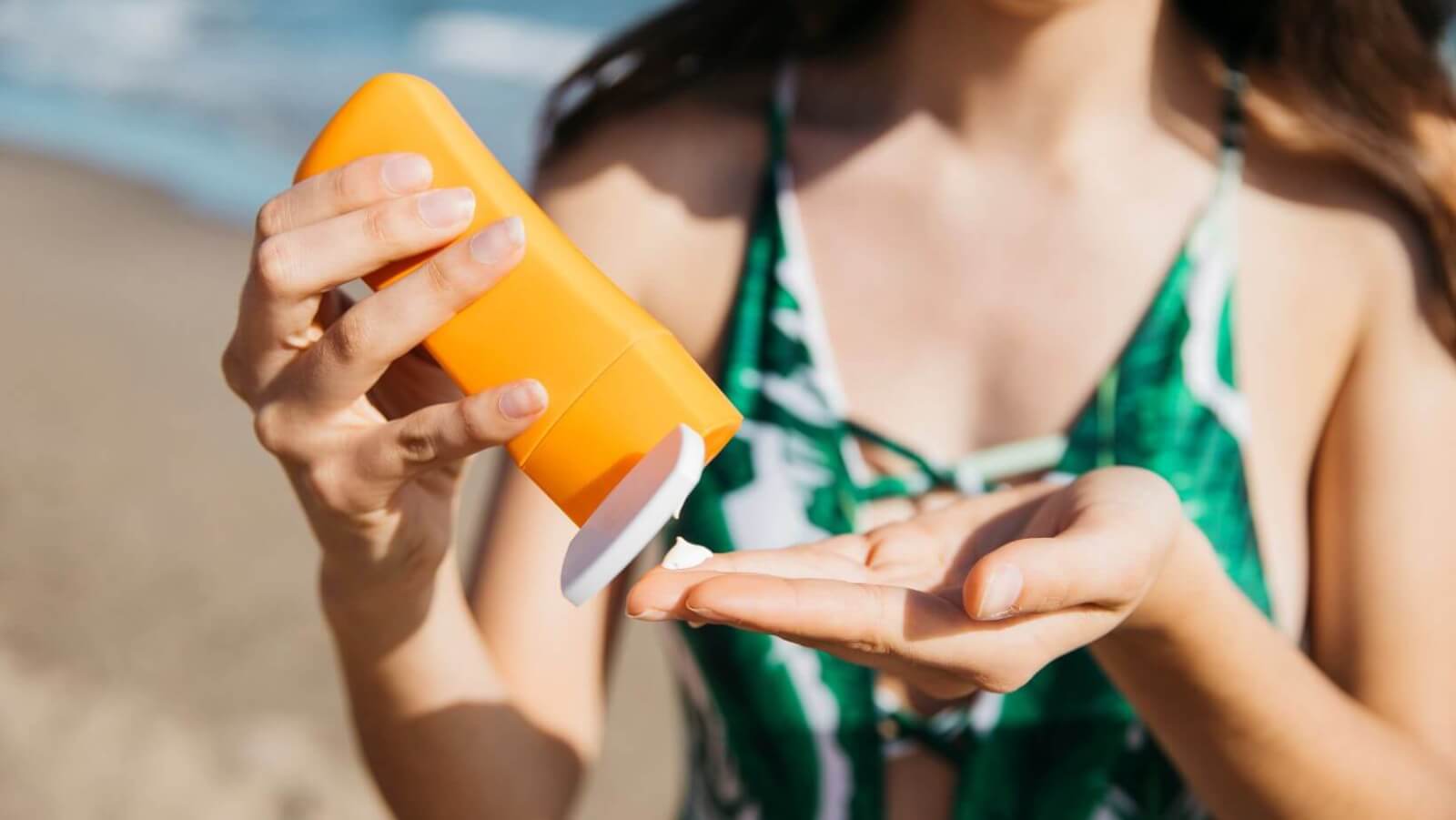
May 27 marks National Sunscreen Day, and despite being a skincare essential, sunscreen remains one of the most misunderstood and neglected products. Vidhi Arya from Professional Beauty India takes the opportunity to bring some common sunscreen facts that you cannot overlook.
From myths about who needs it to how and when it should be applied, the lack of awareness around sunscreen can have serious consequences. Let’s set the record straight and build a stronger sunscreen habit because your skin health depends on it.
Common myths and sunscreen facts you need to know
1. “People with dark skin don’t need sunscreen.”
This is one of the most dangerous myths. Radhika Mukhija, Founder, The Bare Bar shares, “In reality, melanin offers some natural protection, but not nearly enough to guard against photoaging or skin cancer.” In fact, skin cancer in darker skin tones is often detected later, making it more difficult to treat. Everyone, regardless of skin tone, needs sunscreen.
2. “Sunscreen is only necessary on sunny days.”
UV rays can penetrate clouds, and up to 80% still reach your skin on overcast days. Yes, you can get sunburned even when it’s cloudy. Daily application is a must: rain or shine.
3. “One application in the morning is enough.”
Sunscreen needs to be reapplied every two hours when outdoors, and immediately after swimming or sweating. It’s not a one-and-done deal. Please think of it like refreshing your skincare armour.
4. “Makeup with SPF is enough.”
Mukhija elaborates, “We also often hear that makeup with SPF is ‘good enough.’ While it’s a nice bonus, you’d need to apply a lot more product than you think to meet the SPF value printed on the label. It’s always best to layer a broad-spectrum SPF under your makeup for actual protection.” Think of it as a supplement, not a substitute. Apply sunscreen underneath your makeup for complete coverage.
5. “You don’t need sunscreen indoors.”
Wrong. “One of the most common myths we hear is that sunscreen is only needed on sunny days, or worse, only when you step out. The truth is, UV rays penetrate clouds, windows, and even glass screens. That means your skin is exposed even when you’re indoors,” explains Mukhija. And yes, blue light from screens is also being studied for its impact on pigmentation. So, SPF is essential indoors, too.
Must-follow sunscreen habits
- Apply generously: Use about a shot-glass amount (roughly 1 ounce) to cover your body. For your face, use the two-finger rule. Line up two fingers with sunscreen and apply it to your face.
- Don’t miss these spots: Ears, neck, hands, the back of your knees, and feet need sunscreen, too. So does your scalp, especially if you have thinning hair or wear it parted.
- Reapply regularly: Every two hours outdoors, or more often if you’re sweating or swimming.
- Layer it right: Apply sunscreen as the last step of your skincare routine. After your moisturiser and before makeup.
- Wear protective gear: Complement your SPF with hats, sunglasses, and long-sleeved clothing.
- Check expiry dates: Sunscreen loses effectiveness over time. Don’t use expired products.
- Use it year-round: UV damage doesn’t take a holiday, not even during winter.
What happens when you don’t wear SPF
Skipping sunscreen may not show immediate consequences, but your skin pays the price over time:
- Premature ageing: Fine lines, wrinkles, and age spots are largely caused by sun exposure, not just age.
- Hyperpigmentation: Sun exposure worsens dark spots and uneven skin tone.
- Sunburn: Painful and damaging, burns increase your risk of skin cancer.
- Skin cancer: This includes melanoma and other forms that are linked directly to UV exposure.
Now that you know these important sunscreen facts, understand that it isn’t just for beach days; it’s your skin’s daily shield. Think of sunscreen as your skin’s best friend, it’s dependable, protective, and always worth keeping close.
Representational Banner Image | Credits: Freepik
