


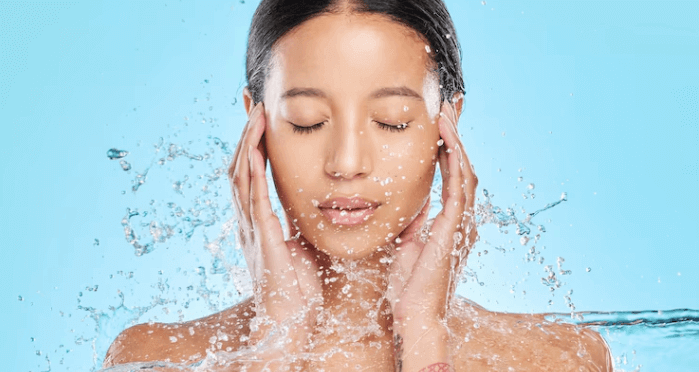
23rd June, celebrated as National Hydration Day, is a poignant reminder of how crucial it is to keep your skin hydrated. Falling amid peak summer, this day nudges us all to up our skincare game to ensure hydrated, healthy, and glowing skin. If you’re bewildered about where to start, this guide by Vidhi Arya from Professional Beauty India is a must-read.
What does it mean to keep your skin hydrated?
When one has hydrated skin, it means they have ample moisture. Skin requires water for overall health, radiance, elasticity, and strength.
In our skin, the outermost layer, the epidermis, is responsible as a natural moisture barrier and keeps skin protected against external aggressors. In this layer, fats called lipids and ceramides work synergistically to form a waterproof barrier; one that keeps internal moisture intact.
Hydration ensures skin appears plump, youthful, and glowing. It reduces wrinkles, fine lines, dryness, and even dullness.
Are hydration and moisturisation the same?
While these terms are used interchangeably, they are not the same. In simple words, hydration binds water to the skin whereas moisturisation locks in hydration.
Moisturising is the process focused on creating a barrier on the skin itself to prevent water loss. This barrier locks in water and maintains softness and elasticity.
Hydration, on the other hand, goes deeper and adds water to skin cells, keeping them plump. It ensures that cells retain moisture, adding plumpness and elasticity to the skin.
What impacts skin hydration?
There are several factors — both internal and external — that impact skin hydration. This can include factors, such as age, hormones, genes, environment, climate, sun exposure, etc.
While all, naturally occurring, habitual behaviour, and environmental factors impact hydration, there are steps that can be taken to combat the impact and fortify our skin’s ability to retain moisture and be healthy.
How to test your skin’s hydration level?
Before starting your skincare routine, test your skin’s hydration level with a simple method. Pinch the fleshy area where your cheek meets the under-eye using your thumb and index finger. Observe how the skin reacts: if it quickly snaps back into place, your skin is well-hydrated. If it returns slowly, your skin may be dehydrated. This “tenting” test is a quick way to assess hydration and adjust your skincare routine accordingly for optimal results.
How to keep your skin hydrated?
Hydrate from within
The most efficient way to keep skin hydrated is to have plenty of water. Having a good amount of water and a diet to keep your skin healthy, inside out.
Topical Hydration
Choosing the right skincare products is crucial for optimal hydration. Use a gentle cleanser, avoiding harsh soaps that strip natural moisture, and cleanse with circular motions, rinsing with lukewarm water.
Hydrating face creams with glycerin, ceramides, and hyaluronic acid are essential, applied on damp skin to lock in moisture.
You can also enhance hydration with face masks, serums, and treatments containing hyaluronic acid, niacinamide, or AHAs. These ingredients boost hydration and improve skin appearance. Incorporate these products and techniques into your routine to achieve and maintain well-hydrated skin.
Lifestyle choices
Make better lifestyle choices to keep your skin hydrated:
- Get 8 to 9 hours sleep.
- Limit showers to 5 to 10 minutes, and use lukewarm water.
- Limit coffee and alcohol.
- Limit or avoid smoking.
- Protect your skin from the sun, wind, and cold.
