
Makeup as we know today has traversed a long journey. Ages ago, born out of natural ingredients and customary acts to a form of expression and self-love as we know it today, makeup has been around for centuries. As we celebrate International Makeup Day, Vidhi Arya from Professional Beauty India brings you the history of makeup.
Makeup’s journey started almost over thousands of years ago, changing decade to decade. Makeup came to life in a fairly simple form. From naturally homemade kajal to protect the eyes and natural pigments for lips and cheeks, we now see a plethora of carefully formulated products on the shelf today. During the initial stages, makeup was never about expression or experiment. It began as a symbol of status in several societies and as cultural identities in others. With the advent of its appeal and several social influences, makeup slowly became a staple in day-to-day life. Let’s break down the history of makeup
A mark of power in ancient times
It’s widely believed that the story of makeup began thousands of years ago in ancient Egypt. At that point in time, kajal was a common makeup product amongst royalty. It was used to ward off evil and protect the eyes from harsh desert sun and sand. Other than kajal, Cleopatra was known to use reg pigments from crushed beetles as lip colour.
Similarly, in ancient India, kajal was also used to ward off evil spirits and protect the eyes from pollutants. In China and Japan also, rice powder and delicate rouge became symbols of status and refinement.
Modest yet opulent makeup in the Middle Ages
When Europe entered the Middle Ages, heavy and bold makeup was frowned upon by the Church. At the same time, pale skin was linked with wealth. Hence, women started using powders made of lead or chalk to achieve that look, though it was harmful.
By the Renaissance, makeup became bolder. Rouge for cheeks and lips gained popularity, while elaborate hairstyles and painted faces reflected grandeur. Makeup became both a fashion statement and a tool of social distinction.
Theatrical and natural appeals during the 18th and 19th centuries
In the 18th century, makeup was lavish, especially in France. Powdered wigs, painted beauty spots, and vibrant rouges were fashionable among aristocrats. However, the 19th century, influenced by Queen Victoria’s reign, saw a dramatic shift. Makeup was deemed vulgar and associated with stage performers or courtesans. Instead, women embraced a more natural look, using subtle homemade remedies like beetroot stains or rice powders.
The 20th Century brought in mass popularity
The 20th century was a turning point in the history of makeup. With the rise of Hollywood, makeup became glamorous and accessible. Icons like Marilyn Monroe, Audrey Hepburn, and Elizabeth Taylor popularized red lips, winged eyeliner, and bold eyeshadows. Brands like Max Factor, Revlon, and Maybelline emerged, bringing cosmetics to the masses.
The 1960s celebrated bold looks; think dramatic lashes and pastel eyeshadows. While the 1980s exploded with vibrant colours, glitter, and bold experimentation. By the 1990s, trends shifted to matte skin, brown lipsticks, and minimalist chic, reflecting the grunge era.
On the other hand, in India, during the early 20th century, the country was still under British rule. Women began to use makeup as a sign of strength and resilience. Braided hairstyles and bright lips became common. During the mid-20th century, Indian women embraced bold mascara, thick brows, and bright hues. A lot of it was also due to the influence of Bollywood as icons like Madhubala and Meena Kumari motivated more women to experiment with makeup.
By the late years of the century, the Western influence had hit India, bringing several modern makeup practices. What ensued was a riot of colours. Deep, bold blushes, bright and bold lips and eyes defined this era. During the 90s, actresses such as Aishwarya Rai and Sushmita Sen represented India and changed the definition of the Indian makeup look.
Makeup as we know it today
Today, makeup is no longer confined to rules or stereotypes. From full glam to “no-makeup makeup,” individuality drives the beauty industry. Social media and influencers have democratised beauty, inspiring trends like contouring, glass skin, and graphic eyeliner. Importantly, makeup has also broken barriers of gender and culture, becoming a universal tool of self-expression.
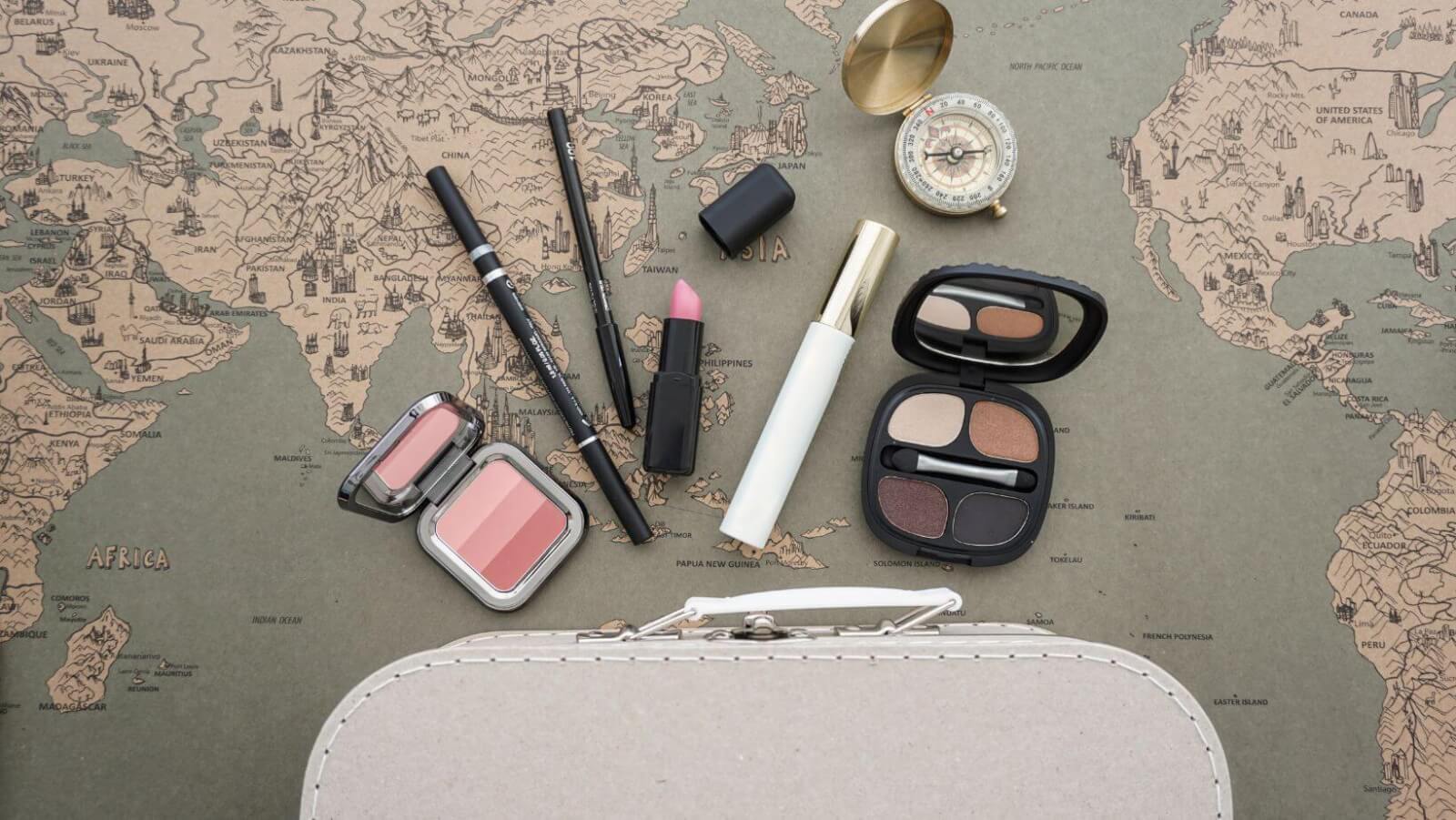
Representative banner image | Credits: Freepik
