


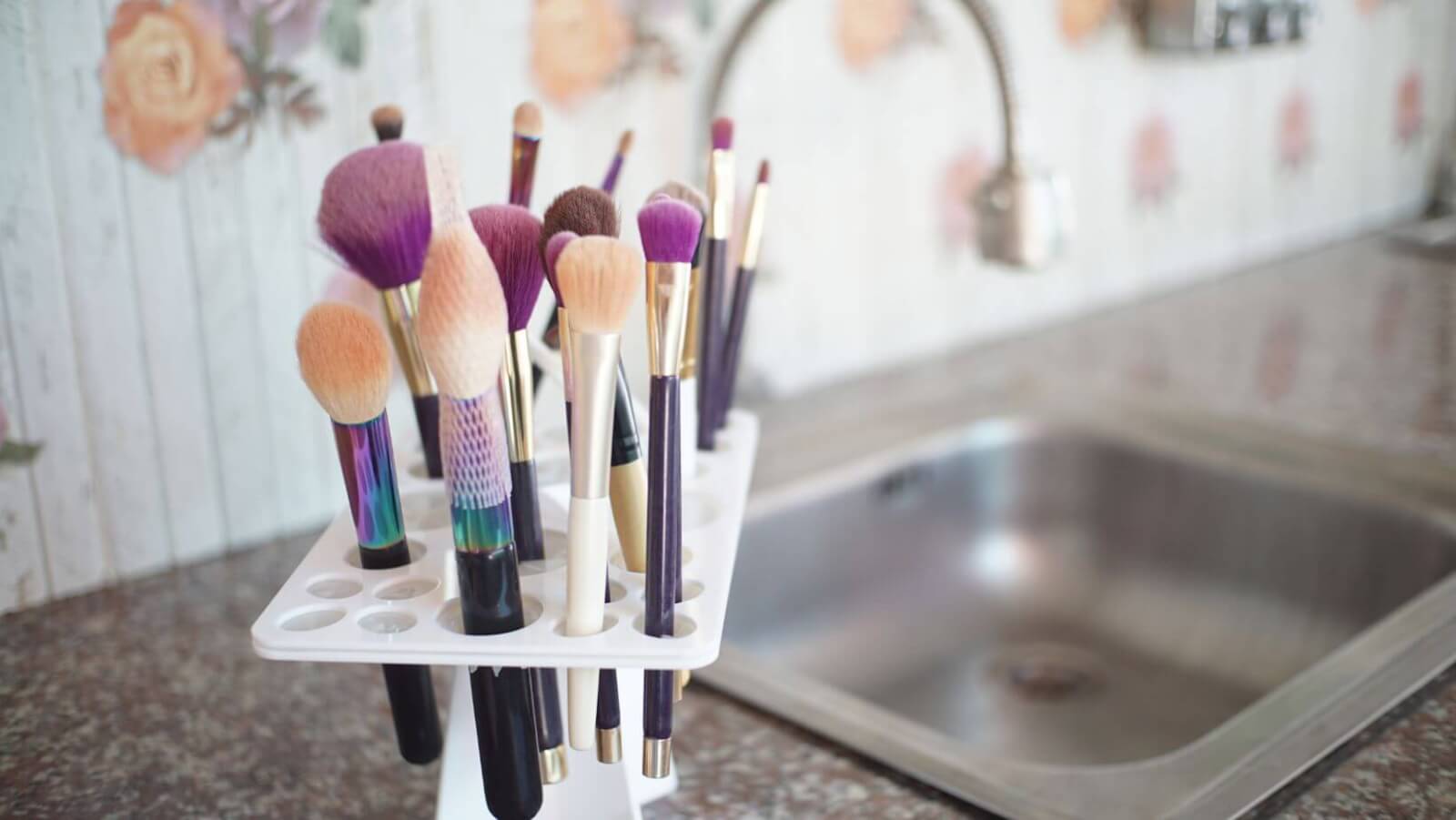
While makeup brushes play a prominent role in the overall look of makeup, they are more often ignored than one can imagine. Regularly washing makeup brushes and keeping them shining clean is essential for both hygiene and impeccable application. To make sure you’re doing the right thing, read this guide by Vidhi Arya from Professional Beauty India.
Whether you’re a professional makeup artist working with multiple clients or someone who simply enjoys a flawless base and soft eyeshadow blends, one habit sits at the core of great makeup: clean brushes. Beyond smooth application and pigment payoff, regular brush cleaning is crucial for skin health, tool longevity, and professional hygiene.
Yet many people delay it. Some out of convenience, others because they’re unsure of the right way to do it. This article breaks down everything you need to know, from frequency and technique to products, care, and storage.
Why clean brushes matter
Makeup brushes come into contact with product, skin oils, dead skin cells, and environmental bacteria every time they’re used. Over days and weeks, this mixture creates a breeding ground for germs that can lead to:
- Breakouts and clogged pores
- Skin irritation or rashes
- Eye infections, especially from unclean eyeliner and eyeshadow brushes
- Streaky or patchy makeup application
- Muddy colour payoff
For makeup artists, clean tools are more than a courtesy. They’re a reputation builder. Clients notice cleanliness, and in the age of review culture, hygiene is non-negotiable.
How often should you clean your brushes?
Cleaning frequency depends on how the brush is used. However, a general guide is:
- Foundation, concealer, cream blush, or contour brushes: after every use (especially for MUAs).
- Beauty sponges: daily. These hold moisture and breed bacteria faster.
- Eyeshadow, liner, blush, and powder brushes (personal use): once a week.
- Professional kits: sanitise between clients + deep clean weekly.
Think of it like this: if a brush touches cream or liquid formulas, the cleaning cycle should be shorter.
What should you use for washing makeup brushes?
Choosing the right cleanser ensures brushes last longer and remain gentle on the skin.
Suitable cleansers include:
- Gentle baby shampoo
- Sulfate-free liquid cleansers
- Solid brush-cleaning balms
- Professional brush shampoos
Avoid:
- Harsh detergents
- Dish soaps with degreasers
- Bleach, boiling water, or pure alcohol soaking.
These may clean aggressively, but they weaken glue, damage bristles, and shorten tool life.
Isopropyl alcohol (70%) can be used sparingly for quick sanitising, but never as a soaking solution.
The correct technique for washing makeup brushes
Cleaning brushes properly is as important as cleaning them regularly. Here’s the most effective step-by-step method:
- Wet only the bristles under lukewarm water, keeping the ferrule (metal part) and handle dry to protect glue.
- Apply a small amount of cleanser to your palm or a silicone cleaning mat.
- Swirl the brush gently in circular motions. Avoid pressing too hard or twisting.
- Rinse thoroughly until the water runs clear.
- Squeeze out excess water using a clean towel.
- Reshape the bristles to their original form.
- Lay brushes flat on a towel or hang them bristles-down to dry.
Drying and storage
Always dry brushes flat or bristles-down. Use a brush guard when storing to keep shape. Avoid direct sunlight or heat sources (dryer, radiator). Store upright only once fully dry.
Synthetic vs. natural hair brushes: care differences
- Natural hair brushes are porous and tend to hold pigment better. Treat them like hair. Avoid hot water, and occasionally condition the bristles so they stay soft.
- Synthetic brushes are more durable and ideal for liquid or cream products. They tolerate frequent washing and are easier to fully sanitize.
For professionals, synthetic brushes are often preferred for base products due to ease of maintenance.
Troubleshooting
- Shedding: a little is normal. Excessive shedding = poor glue, old brushes, or too much agitation. Stop twisting and let brushes air dry; consider repair or replace.
- Mildew or odor: indicates insufficient drying. Rewash and dry thoroughly. If persistent, discard.
- Stiff bristles after alcohol sanitizing: restore softness with a bit of conditioner rinse or a drop of natural oil (very small amount).
