


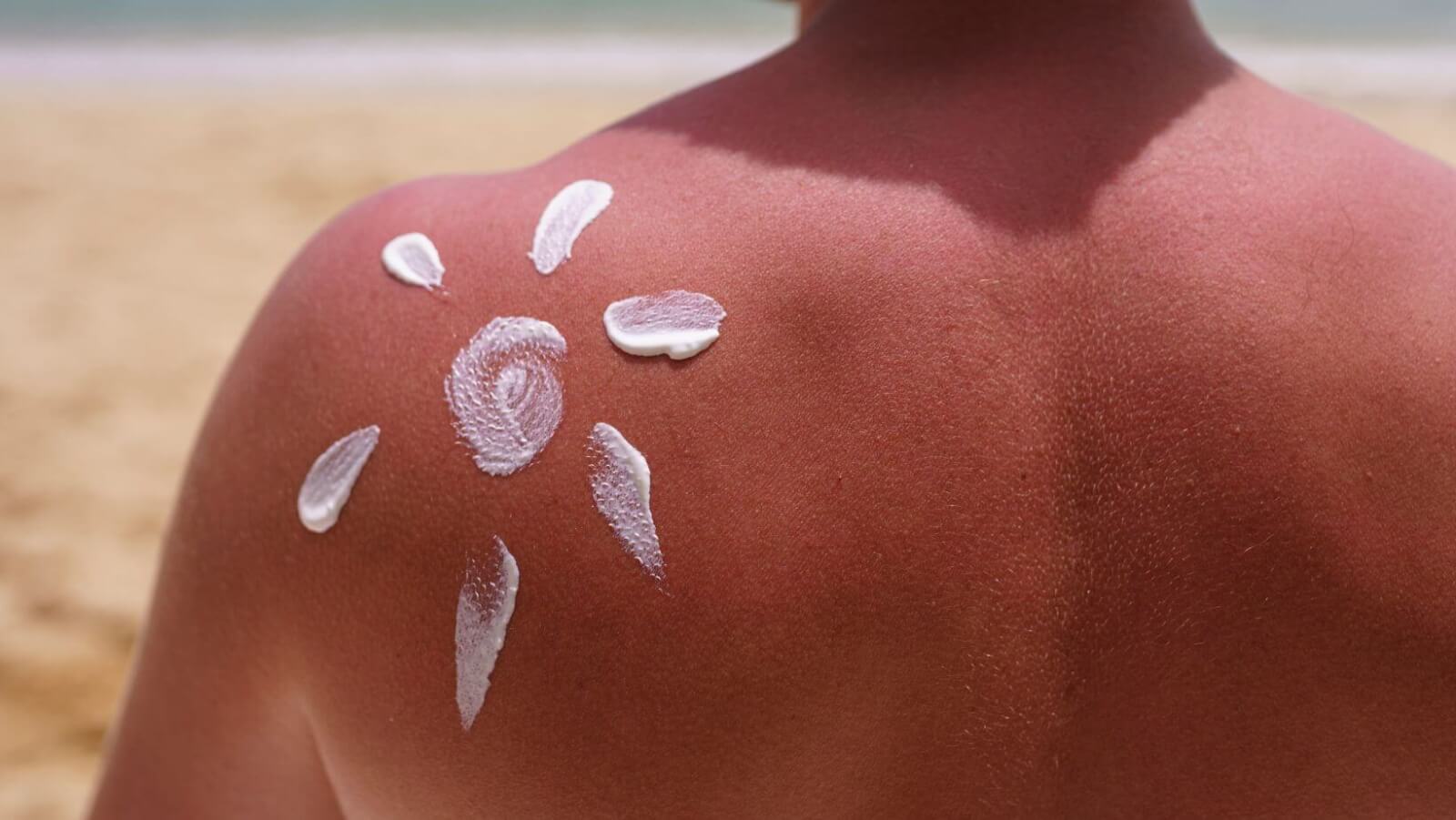
India introduces its first standardised protocol for testing for sunscreen efficacy, using the Individual Typology Angle (ITA) to ensure accurate SPF evaluation, inclusivity across diverse skin tones, and greater transparency in the country’s $523-million market.
India has taken a major step toward improving sunscreen accuracy and safety. The nation introduces its first-ever standardised testing protocol for sunscreen efficacy. The framework is developed by the Bureau of Indian Standards (BIS) in collaboration with the Indian Beauty and Hygiene Association. It aims to address inconsistencies in the country’s $523-million sunscreen market and ensure that products cater effectively to India’s diverse range of skin tones.
A new benchmark for sunscreen testing
Until now, sunscreen manufacturers in India followed varying methods to determine Sun Protection Factor (SPF). It often resulted in misleading or inconsistent claims. The new BIS protocol establishes a scientifically consistent testing system aligned with International Organisation for Standardisation (ISO) guidelines. It requires brands to substantiate their SPF and ultraviolet (UV) protection ratings with rigorous, uniform testing methods. Thus, creating a level playing field for manufacturers while enhancing consumer trust and product reliability.
Introducing the Individual Typology Angle (ITA)
A key component of the new protocol is the inclusion of the Individual Typology Angle (ITA). It’s a measurement system that classifies skin types based on constitutive pigmentation rather than just the skin’s reaction to sunlight. This makes it more precise than the traditional Fitzpatrick scale, which has long been used globally.
In simple terms, a lower ITA value corresponds to deeper pigmentation, while a higher value indicates lighter skin. For India’s population, which displays a wide spectrum of complexions, this system allows for more accurate evaluation of sunscreen performance and formulation effectiveness across skin tones.
Why this matters for Indian consumers
While SPF remains critical for protection against ultraviolet rays, its significance differs across skin tones. Individuals with lighter skin are more prone to sun-related damage and require stronger UV protection, whereas those with deeper tones primarily seek prevention against uneven skin tone, tanning, and hyperpigmentation.
By adopting the ITA-based classification, sunscreen testing in India now reflects these unique concerns. This shift ensures that sun protection products are developed with real-world skin diversity in mind, offering better and more relevant protection for all consumers.
Raising industry standards
The new BIS protocol is expected to transform India’s sunscreen industry by setting a clear reference standard for SPF testing. It not only enhances consumer safety and product transparency but also drives innovation among brands. With this framework, sunscreen formulations will be tested and marketed more responsibly.
Representational Banner Image | Credits: Freepik
