



With the beauty and salon industry scaling upward, more women are building their careers in this sector. In an exclusive conversation with Priyanka Parshurami, Dr Vijaya Salunkhe, Business Consultant – Beauty & Wellness, Sneh Koticha Contractor, Director, JCB Salon, A senior Officer from PSU Bank and Bharti Ravaria, Director, Beauty Garage decoded how women entrepreneurs in beauty can overcome funding barriers and scale sustainably, driving long-term growth and industry impact.
For women entrepreneurs in beauty, ambition is rarely the limitation; access to structured funding often is. As the industry evolves into a more organised and scalable ecosystem, the need for collateral-free capital becomes critical. Insights from industry leaders and financial experts reveal that funding up to ₹10 lakh is not merely financial support but a catalyst for professional transformation.
The Structural Gap in Funding:

According to Dr Vijaya Salunkhe, Business Consultant – Beauty & Wellness, the barrier is systemic rather than capability-driven. Many salon businesses demonstrate stable cash flow and growth potential yet fail to qualify for loans due to lack of tangible collateral, informal income records, and absence of credit history.
She highlights that funding challenges often push women entrepreneurs towards slower growth cycles or high-interest informal borrowing. More importantly, she stresses that tailored financial products, aligned with salon economics such as infrastructure, technology, and talent, are essential to unlock real growth rather than generic lending solutions.
From Skill to Scalable Enterprise:
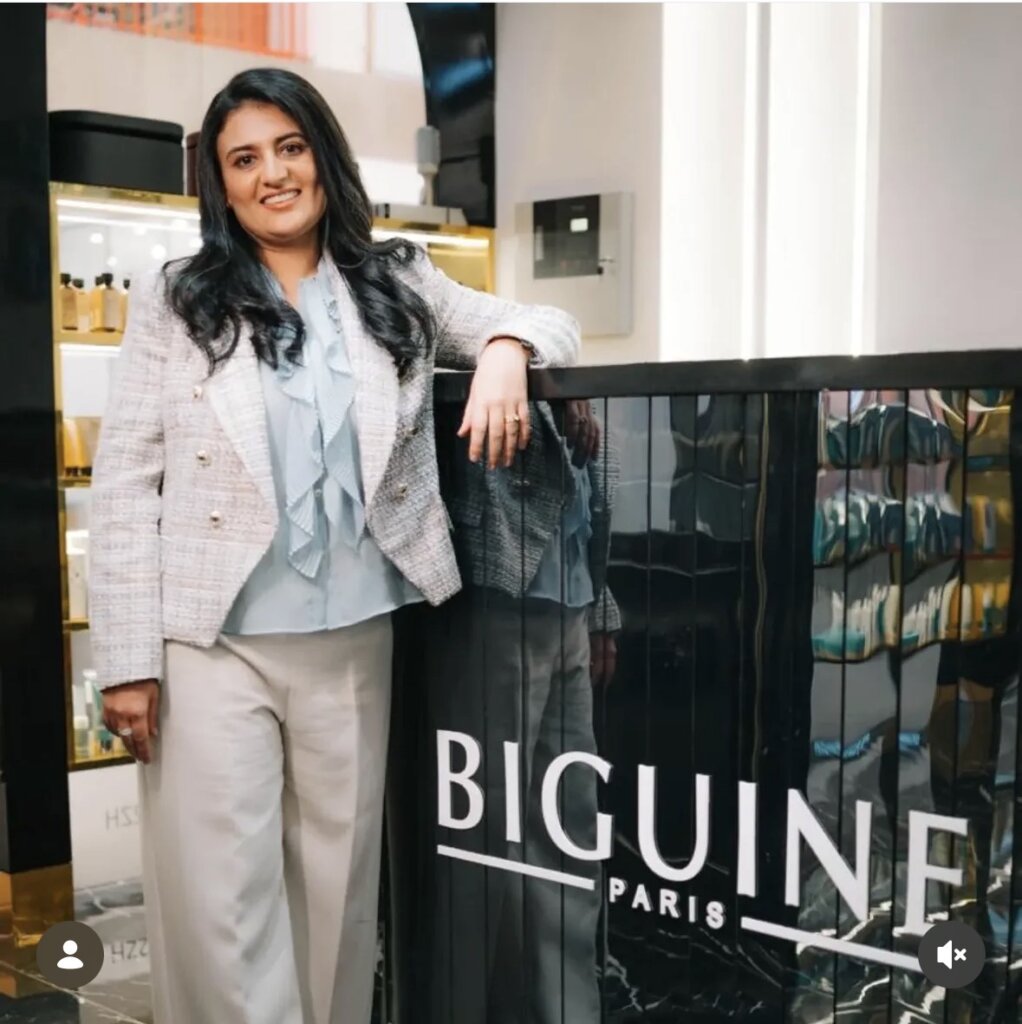
Sneh Koticha Contractor, Director, JCB Salon, positions ₹5–10 lakh funding as a decisive turning point. At an early stage, it enables professionals to transition from freelance or home-based setups into structured salon environments with defined branding and customer experience.
At a growth stage, the same capital facilitates service upgrades, team expansion, and client retention strategies. Crucially, she notes the multiplier effect, where one entrepreneur generates employment, builds skilled teams, and contributes to a larger professional ecosystem. Funding also supports systemisation through technology and branding, reducing dependency on individual effort and enabling scale.
Elevating Service Through Investment:

From a product and service perspective, Bharti Ravaria, Director, Beauty Garage, emphasises that access to funding directly impacts service quality. Investment in professional-grade products and advanced tools enhances consistency, builds client trust, and enables premium pricing.
She underscores that financial constraints often prevent salon owners from upgrading. Collateral-free funding, therefore, provides both operational freedom and psychological confidence, allowing entrepreneurs to focus on delivering superior experiences rather than managing financial stress. Over time, this strengthens both individual businesses and the broader industry.
Understanding Financial Eligibility?
A senior officer from an Indian PSU Bank outlines that eligibility under schemes such as Pradhan Mantri Mudra Yojana remains straightforward but often misunderstood. Requirements include KYC documentation, a detailed project report with revenue projections and repayment capacity, and a reasonable credit profile.
The primary challenge lies in the lack of technical understanding of loan processes and incomplete project documentation, which delays approvals. Strengthening financial literacy is therefore as important as access to funding itself.
Women entrepreneurs in beauty are building viable, high-potential businesses, yet remain underserved by traditional financial systems. Collateral-free funding up to ₹10 lakh offers more than liquidity; it provides structure, confidence, and scalability. With the right alignment between financial institutions and industry realities, the next phase of growth in beauty will be driven by empowered, well-funded women-led enterprises.
