
India’s men’s grooming is moving beyond haircuts into advanced grooming, skincare, and aesthetic services. In a candid conversation with Priyanka Parshurami, Darshan Yewalekar, Celebrity hairstylist and Founder, DBarber Shop, Savio John Pereira, Artistic Director & CEO, Savio John Pereira Salon, and Saandiip Shah, Managing Director, Biotop Professional India, decode men’s grooming evolution.
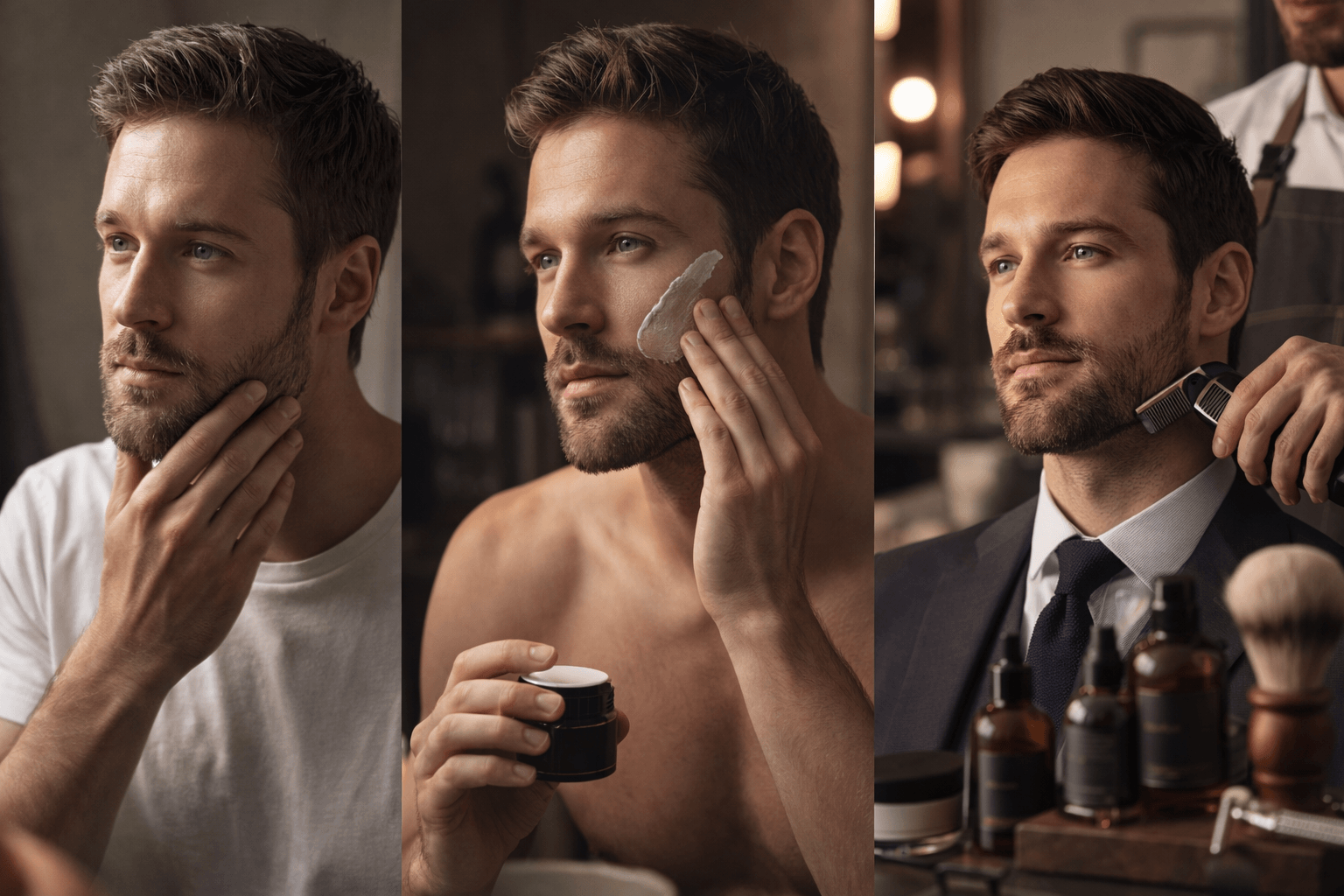
India’s men’s grooming landscape is undergoing a decisive shift, from functional upkeep to expressive, experience-led self-care. What was once limited to routine haircuts and shaving has now expanded into a multi-layered ecosystem of styling, skincare, and wellness. Today’s male consumer is informed, experimental, and increasingly willing to invest in premium services and products. Insights from industry leaders reveal how this transformation is being shaped at the intersection of culture, salons, and brands.
From Hero-Led Trends to Personal Identity:
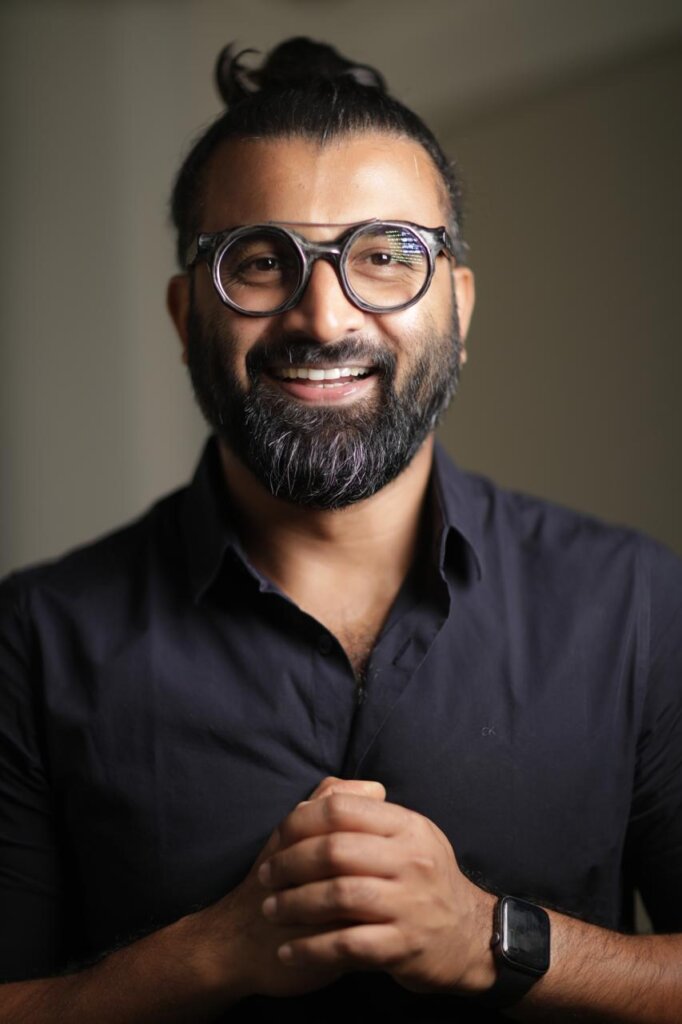
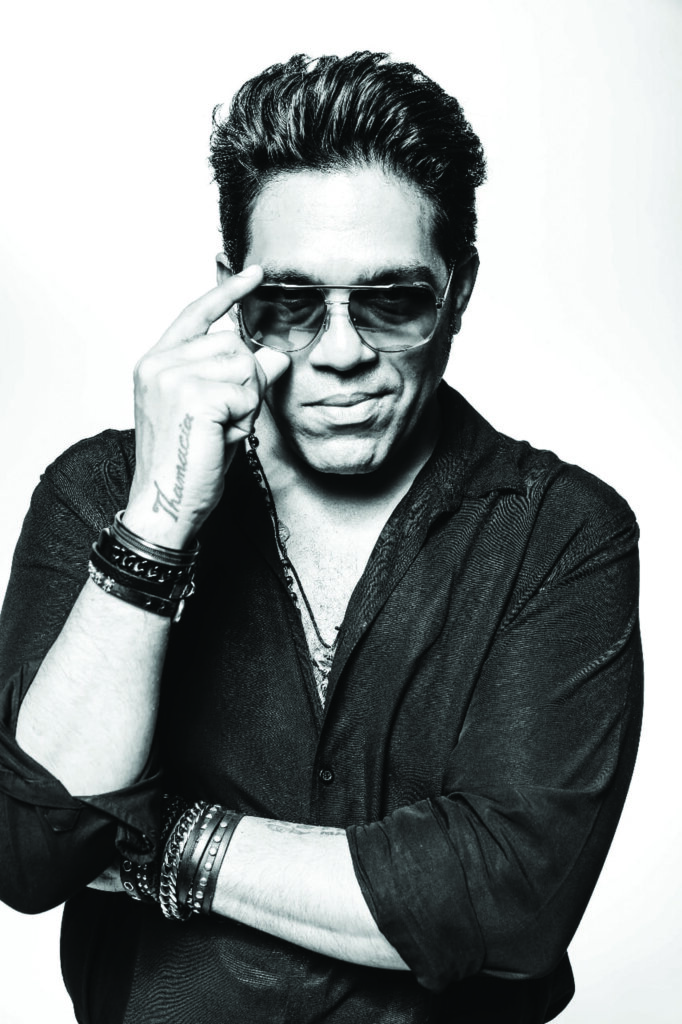
For Darshan Yewalekar, Celebrity hairstylist and Founder, DBarber Shop, the evolution of men’s grooming is deeply tied to cinema and cultural influence. Over two decades, he has witnessed a transition from “hero-driven” looks to character-led styling. Men are no longer confined to conventional grooming norms; instead, they seek individuality.
He notes that experimentation has become mainstream be it textured cuts, mid-length styles, or well-defined beards. Corporate grooming norms have also relaxed, with well-maintained beards now widely accepted. Importantly, grooming frequency and spending have increased, with clients returning weekly for beard maintenance and styling.
Darshan underscores that entertainment and digital exposure continue to drive aspiration. From Bollywood transformations to global influences like K-pop, men today actively seek styles that align with their personality rather than societal expectations.
The Rise of the Experience-Driven Male Consumer:
According to Savio John Pereira, Artistic Director & CEO, Savio John Pereira Salon, men have emerged as a significant revenue driver in premium salons. This shift is not just about services, but about the overall grooming experience.
Modern male clients are highly aware, largely due to social media and increased salon-led education. Consultations have evolved into collaborative discussions, with clients seeking personalised solutions rather than standard services.
There is also a marked increase in service baskets. Grooming now includes facials, manicures, pedicures, scalp treatments, and wellness therapies. Pereira highlights a behavioral shift men are consciously allocating time for self-care, often opting for comprehensive grooming sessions every few weeks rather than quick visits.
Premiumisation and Product Innovation:
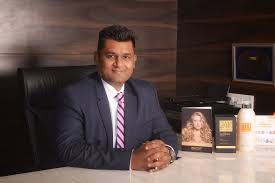
From a brand perspective, Saandiip Shah, Managing Director, Biotop Professional India, identifies a clear move towards premium, lifestyle-oriented grooming. Brands like Graham Hill are adapting portfolios to suit Indian conditions. They’re addressing pollution, climate, and hair texture while emphasising natural formulations.
The category is witnessing strong growth across beard care, scalp health, as well as styling. Innovation is centred around multifunctional products, sustainability, and wellness integration. Importantly, salons are acting as critical touchpoints, driving product trials, education, and trust.
Saandiip, emphasises that grooming is no longer transactional; it is becoming a ritual rooted in performance, confidence, and self-expression.
Men’s grooming in India is entering a high-growth, high-awareness phase. With cultural influence, experiential salons, and premium product innovation working in tandem, the category is moving steadily from basic to bespoke. As industry stakeholders continue to educate and elevate the consumer, the next decade is poised to unlock significant untapped potential redefining grooming as an essential aspect of modern identity.
